
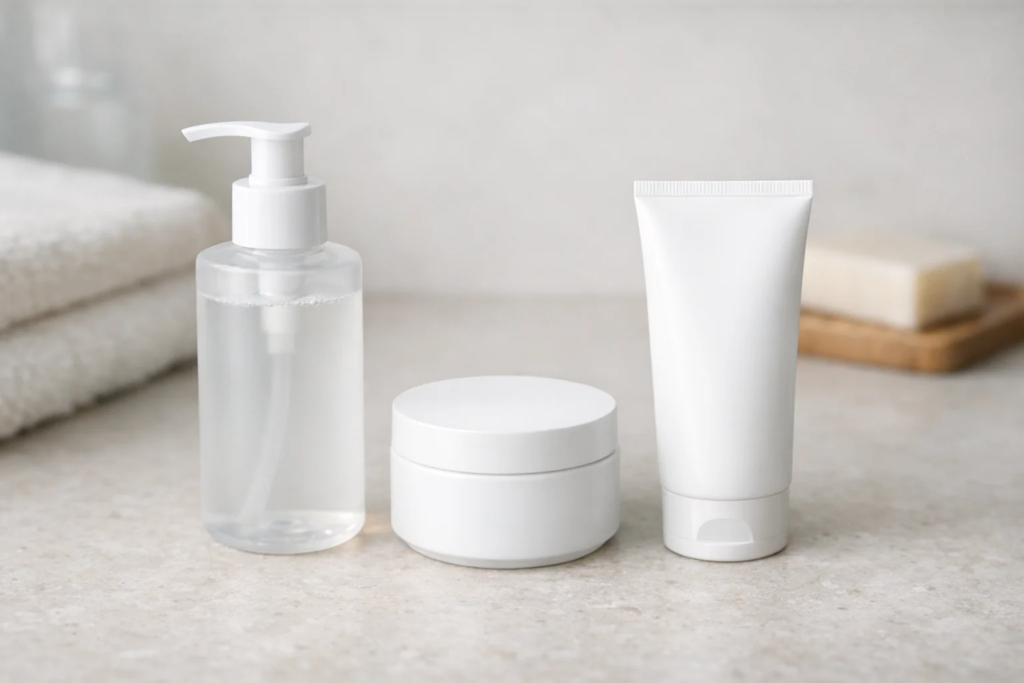
A good morning skincare routine does not need to be long or complicated. In fact, the best routine is often simple, gentle, and easy to repeat every day. Your morning routine should prepare your skin for the day ahead by removing excess oil, adding hydration, and protecting your skin from sun damage and environmental stress.
Healthy skin starts with consistency. When you cleanse properly, moisturize according to your skin type, and apply sunscreen every morning, your skin can look fresher, smoother, and more balanced over time. Whether your skin is dry, oily, sensitive, acne-prone, or combination, a simple morning routine can help support your skin barrier and keep your complexion looking healthy.
Why Your Morning Skincare Routine Matters
Your skin works overnight to repair and restore itself. By morning, there may be sweat, oil, dead skin cells, and leftover nighttime skincare on the surface of your skin. A morning routine helps refresh your face and create a clean base for sunscreen, makeup, or daily activities.
Morning skincare is also important because your skin faces many external stressors during the day. Sun exposure, pollution, dry air, and weather changes can affect the skin barrier and make the skin look dull or tired. A simple routine helps protect your skin and keep it comfortable.
The main goal of morning skincare is not to use many products. The goal is to support your skin with the right steps: cleansing, moisturizing, and sun protection.
Step 1: Start With Gentle Cleansing
Cleansing is the first step in a healthy morning skincare routine. It helps remove oil, sweat, and product residue from the night before. However, your morning cleanser should be gentle. You do not need a harsh cleanser that makes your skin feel tight or dry.
If you have oily or acne-prone skin, a mild gel cleanser can help remove excess oil and leave your skin feeling fresh. If you have dry or sensitive skin, a cream cleanser, hydrating cleanser, or even a simple water rinse may be enough in the morning.
The most important thing is to listen to your skin. After cleansing, your skin should feel clean but still comfortable. If your face feels tight, rough, or irritated, your cleanser may be too strong.
Step 2: Choose The Right Cleanser For Your Skin Type
Different skin types need different cleanser textures. Choosing the right cleanser can make your morning routine more effective and comfortable.
For oily skin, look for lightweight gel or foaming cleansers that remove oil without stripping the skin. For dry skin, choose creamy or hydrating cleansers with ingredients like glycerin, ceramides, or aloe vera. For sensitive skin, fragrance-free cleansers with simple formulas are usually best.
If you have combination skin, you may need a balanced cleanser that cleans the oily areas without drying out the cheeks. If you have acne-prone skin, choose a non-comedogenic cleanser. Some acne-prone skin types may benefit from ingredients like salicylic acid, but it is better to start slowly and avoid using strong active ingredients too often.
A good cleanser should support your skin barrier, not damage it.
Step 3: Add Hydration Before Moisturizer
After cleansing, your skin may need hydration. Hydration helps your skin look plump, smooth, and fresh. This step can be especially helpful if your skin feels dehydrated, dull, or tight.
You can use a lightweight hydrating toner, essence, or serum before moisturizer. Look for ingredients such as hyaluronic acid, glycerin, panthenol, aloe vera, or beta-glucan. These ingredients help attract moisture and keep the skin feeling soft.
This step is optional, but it can make a big difference for people with dry or dehydrated skin. If you prefer a very simple routine, you can skip this step and go straight to moisturizer.
Step 4: Moisturize To Support The Skin Barrier
Moisturizer is an important part of every morning skincare routine. Many people with oily skin think they do not need moisturizer, but that is not true. All skin types need moisture. The key is choosing the right texture.
For oily skin, choose a lightweight gel moisturizer or oil-free lotion. For dry skin, choose a richer cream that helps prevent water loss. For sensitive skin, choose a fragrance-free moisturizer with calming and barrier-supporting ingredients.
Moisturizer helps keep your skin barrier strong. A healthy skin barrier can protect your skin from dryness, irritation, and environmental stress. When your skin barrier is balanced, your skin often looks smoother, calmer, and more naturally radiant.
Ingredients like ceramides, niacinamide, squalane, glycerin, and panthenol can be helpful for barrier support.
Step 5: Use Sunscreen Every Morning
Sunscreen is the most important step in your morning skincare routine. It helps protect your skin from UV rays, which can cause dark spots, uneven skin tone, premature aging, and sun damage. Even if your skincare routine includes expensive serums or brightening products, skipping sunscreen can limit your results.
Use a broad-spectrum sunscreen with at least SPF 30 every morning. Apply it to your face, neck, and any exposed areas. Sunscreen should be used even when the weather is cloudy or when you stay indoors near windows, because UV rays can still reach your skin.
If you spend time outdoors, sweat, or touch your face often, remember to reapply sunscreen during the day. Sun protection is one of the easiest and most effective habits for long-term healthy skin.
Step 6: Apply Products In The Correct Order
The order of your skincare products matters because it helps each product work better. A simple morning routine can follow this order:
Cleanser → Hydrating toner or serum → Moisturizer → Sunscreen
If you use a vitamin C serum, apply it after cleansing and before moisturizer. Vitamin C is often used in the morning because it can help support brighter-looking skin and provide antioxidant benefits. However, if your skin is sensitive, start slowly and do not use too many active ingredients at once.
Sunscreen should always be the last step of your morning skincare routine. If you wear makeup, apply makeup after sunscreen has settled on your skin.
Step 7: Keep Your Routine Simple
One common mistake is making the morning routine too complicated. Using too many products can irritate the skin, especially if you use several active ingredients at the same time.
A basic morning routine only needs three main products: cleanser, moisturizer, and sunscreen. Once your skin feels balanced, you can add extra products based on your skin goals. For example, you may add a hydrating serum for dryness, a niacinamide serum for oil balance, or a vitamin C serum for dullness.
The goal is not to have the longest routine. The goal is to have a routine that you can follow every morning without stress.
Step 8: Adjust Your Routine Based On Your Skin
Your skin can change depending on weather, hormones, stress, sleep, diet, and lifestyle. That means your morning routine may need small adjustments over time.
In hot and humid weather, you may prefer lightweight gel textures and oil-free sunscreen. In cold or dry weather, your skin may need a richer moisturizer and more hydrating products. If your skin feels irritated, keep your routine simple and avoid strong active ingredients until your skin feels calm again.
Pay attention to how your skin feels after each step. Healthy skin should feel comfortable, not tight, burning, or overly greasy.
Morning Skincare Mistakes To Avoid
A few small mistakes can make your morning routine less effective. One mistake is skipping sunscreen. Sunscreen is essential for protecting your skin and keeping it healthy over time.
Another mistake is using a harsh cleanser every morning. This can strip the skin and make it more sensitive. Over-exfoliating in the morning can also cause irritation, especially if you already use active ingredients at night.
It is also important not to apply too little sunscreen. Many people use less than they need, which reduces protection. Make sure to apply enough product to cover your face and neck evenly.
Finally, avoid switching products too often. Give your skin time to adjust before deciding whether a product works for you.
Conclusion
A morning skincare routine for healthy skin should be simple, gentle, and protective. You do not need many products to take good care of your skin. Start with a gentle cleanser, apply moisturizer to support your skin barrier, and finish with sunscreen to protect your skin from UV damage.
If your skin needs extra hydration or brightness, you can add a serum, but keep your routine balanced and easy to follow. The best skincare routine is the one that fits your skin type, your lifestyle, and your daily habits.
With consistent cleansing, moisturizing, and sun protection, your skin can look fresher, healthier, and more radiant every day.