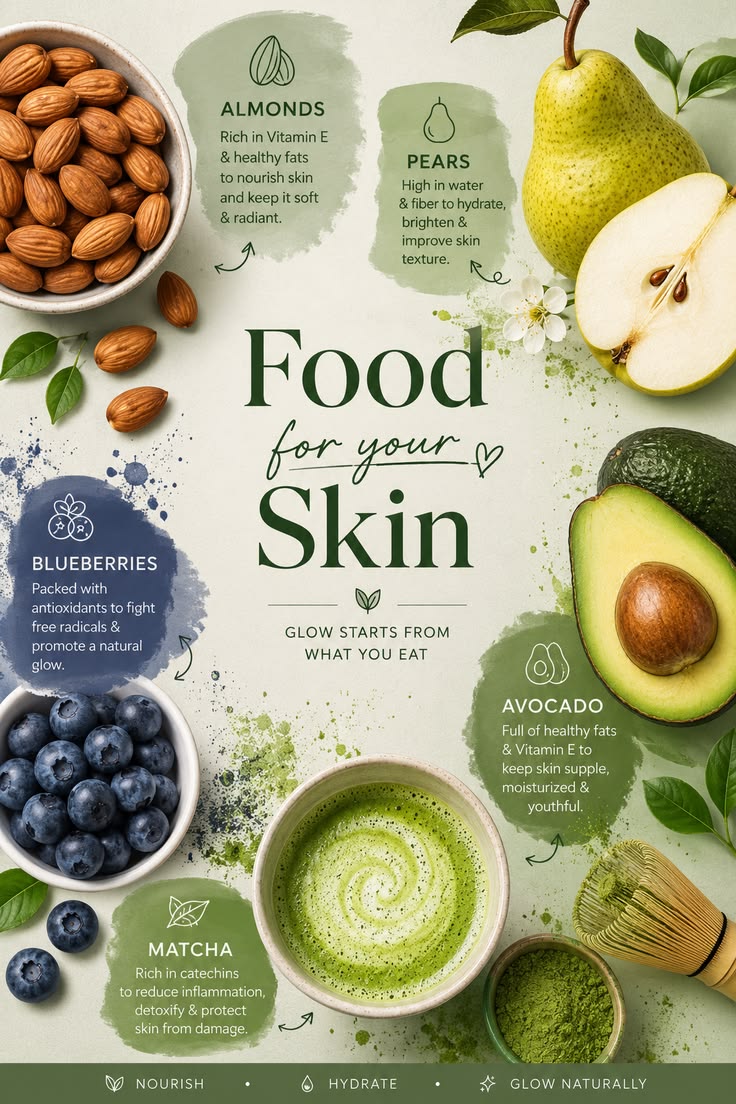
Chronic skin struggles like acne, rosacea, and premature aging can make you feel helpless. You spend hundreds on topical serums, yet the redness and breakouts persist.
The underlying culprit is often systemic inflammation, which flares up right beneath your skin’s surface. Topical treatments only address the symptoms, leaving the root cause untouched.
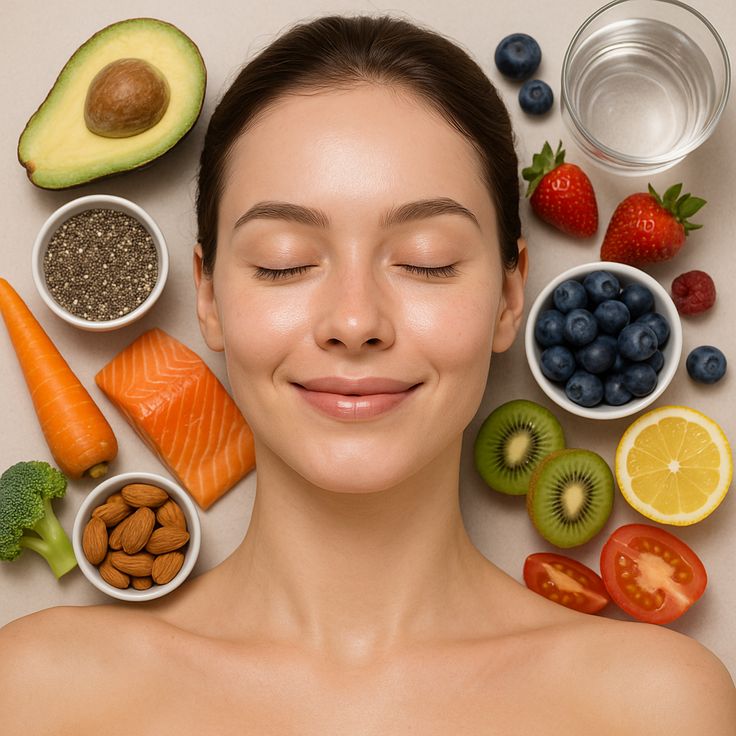
By shifting your diet toward anti-inflammatory, nutrient-dense whole foods, you can calm cellular stress from the inside out. This guide provides a scientifically backed grocery strategy to rebuild your skin barrier and restore a natural, healthy glow.
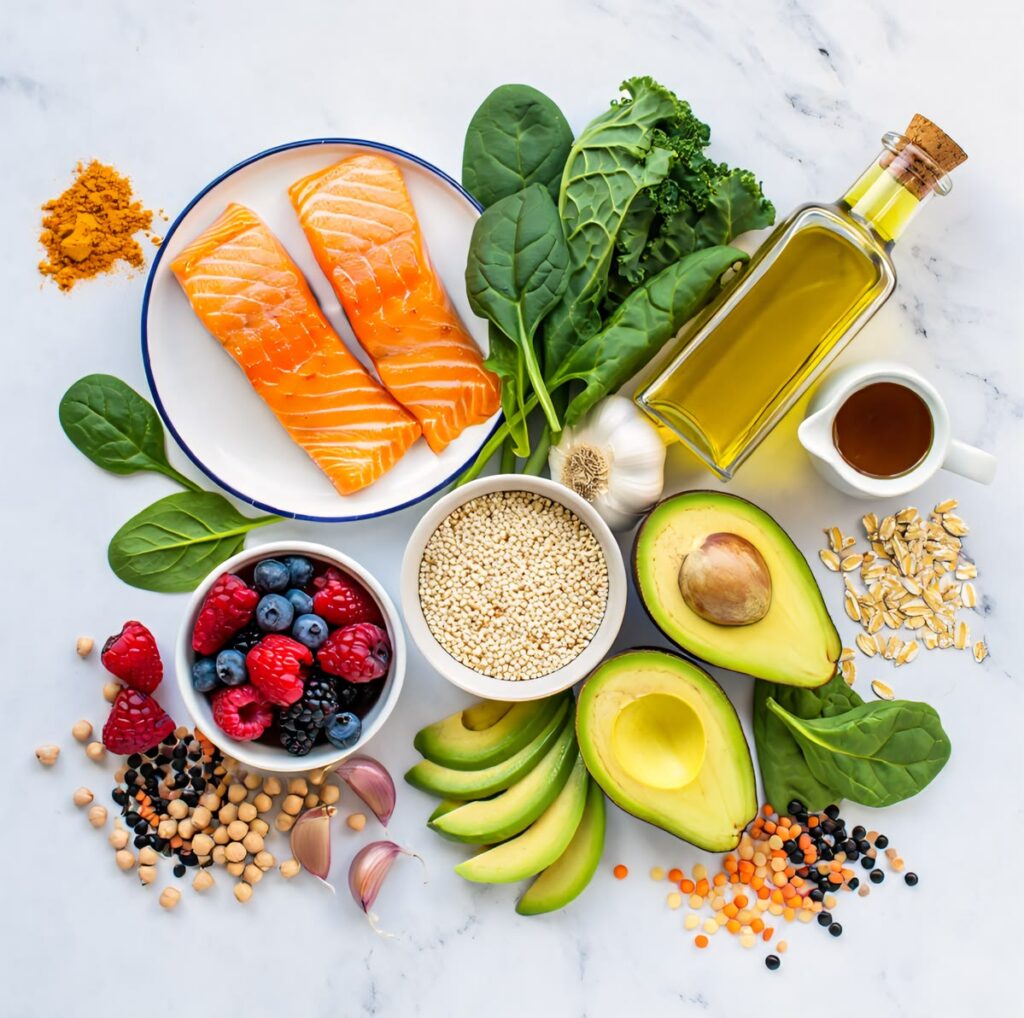
The Core Pillars of an Anti-Inflammatory Diet
To alter your skin’s biology, you must change the fuel your body receives. An anti-inflammatory protocol prioritizes foods that inhibit pro-inflammatory cytokines while delivering essential fatty acids and antioxidants.
1. Essential Fatty Acids (Omega-3s)
Omega-3 fatty acids maintain the structural integrity of your skin cells, keeping cell membranes fluid so nutrients can enter efficiently.
- Wild-Caught Salmon: Rich in eicosapentaenoic acid (EPA), which directly inhibits inflammatory pathways.
- Flaxseeds and Chia Seeds: Provide plant-based omega-3s and lignans to balance hormones that trigger excess sebum.
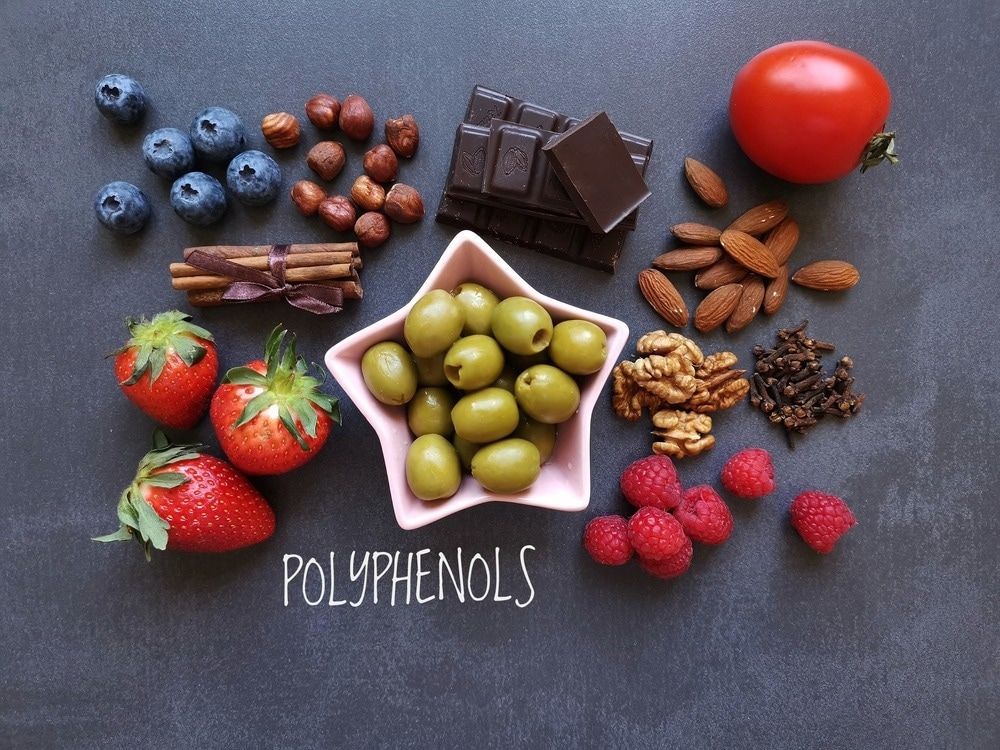
2. Polyphenol-Rich Antioxidants
Antioxidants neutralize free radicals caused by UV rays and pollution that degrade collagen and elastin.
- Dark Berries: High in anthocyanins, protecting the microvessels that supply oxygen to your skin.
- Green Tea (Matcha): Loaded with EGCG, a compound that reduces systemic inflammation and downregulates oil production.
3. Gut-Health Promoters
The gut-skin axis is a well-documented biochemical pathway. A damaged gut microbiome leaks metabolic byproducts into your bloodstream, triggering skin inflammation.
- Fermented Foods: Kimchi and kefir introduce beneficial live bacteria strains to your digestive tract.
- Prebiotic Fibers: Leeks and garlic feed your good bacteria, reinforcing the gut lining.
The Ultimate Anti-Inflammatory Grocery Checklist
When navigating the grocery store, focus on fresh, unprocessed whole foods. Use this targeted list to stock your kitchen with skin-healing ingredients.
| Food Category | Top Grocery Picks | Primary Skin Benefit |
| Pantry Staples | Green tea, turmeric | Lowers systemic inflammation |
| Proteins | Wild salmon, pasture-raised eggs | Repairs skin tissue; builds collagen |
| Vegetables | Spinach, broccoli, sweet potatoes | Delivers vitamins A, C, and K |
| Fruits | Blueberries, avocados | Neutralizes free radicals; hydrates cells |
| Fats & Oils | Extra virgin olive oil, walnuts | Strengthens the lipid barrier |
Foods to Eliminate: The Inflammation Triggers
Healing your skin requires a two-pronged approach: adding protective elements and removing destructive ones. Certain everyday grocery items damage the intestinal lining and spike insulin, leading to rapid skin degradation.
Ultra-Processed Sugars
White bread, pastries, and sodas cause rapid spikes in blood glucose. This triggers glycation, where sugar molecules bind to collagen, creating advanced glycation end-products (AGEs) that make skin rigid and wrinkle-prone.
Industrial Seed Oils
Oils derived from corn, soy, and canola are exceptionally high in omega-6 fatty acids. An excessive imbalance of omega-6 to omega-3 forces the body into a chronic pro-inflammatory state.
Conventional Dairy Products
Non-organic dairy often contains natural growth hormones like insulin-like growth factor 1 (IGF-1). High levels of IGF-1 stimulate sebaceous glands, causing excessive oil production and clogged pores.
The Science Verdict: How Food Alters Skin Biology
Clinical studies demonstrate that a transcription factor called Nuclear Factor Kappa B (NF-$\kappa$B) regulates the body’s inflammatory response. When NF-$\kappa$B is activated by stress, sugar, or poor fats, it orders the immune system to produce pro-inflammatory cytokines like IL-1, IL-6, and TNF-$\alpha$. These cytokines break down collagen matrices and accelerate skin inflammation.
Diets rich in carotenoids (found in sweet potatoes) and polyphenols suppress the activation of the NF-$\kappa$B pathway. Furthermore, the zinc found in pumpkin seeds serves as a necessary co-factor for DNA repair and cellular division, accelerating the healing of active lesions.
Actionable Advice: Integrating the Diet into a Busy Routine
Transitioning your lifestyle does not require hours of complex meal preparation. You can build healthy skin habits into a demanding schedule using a few systematic adjustments.
Batch-Prep Skin-Boosting Smoothies
Spend 10 minutes on Sunday portioning smoothie ingredients into bags for the week. Combine a cup of spinach, half a cup of frozen wild blueberries, one tablespoon of chia seeds, and protein powder. In the morning, blend with almond milk for a rapid, nutrient-dense breakfast.
Switch Your Cooking Fats
Discard industrial seed oils and place a bottle of cold-pressed, extra virgin olive oil next to your stove. Use olive oil for low-heat cooking and raw dressings. For high-heat roasting or searing, substitute with avocado oil, which has a high smoke point.
Upgrade Your Hydration

Replace your afternoon coffee with high-quality green or spearmint tea. Spearmint tea possesses natural anti-androgenic properties, making it highly effective for reducing hormonal acne along the jawline.
Pros and Cons of an Anti-Inflammatory Dietary Shift
Making significant changes to your eating habits requires long-term commitment. Weighing the benefits against the initial challenges can help you set realistic expectations.
Pros
- Holistic Health Benefits: Decreasing systemic inflammation protects your cardiovascular system and enhances your energy levels.
- Sustained Visual Results: Unlike topical creams, dietary changes alter the baseline health of your new skin cells from within.
- Cost Efficiency: Investing your budget into nutrient-dense groceries can reduce your long-term reliance on expensive clinical prescriptions.
Cons
- Delayed Gratification: Skin cells take roughly 28 to 40 days to renew. You will need to maintain consistent dietary habits for at least 4 to 6 weeks to observe visible changes.
- Social Adjustments: Dining out requires conscious navigation to avoid pro-inflammatory cooking oils and hidden sugars.
Conclusion
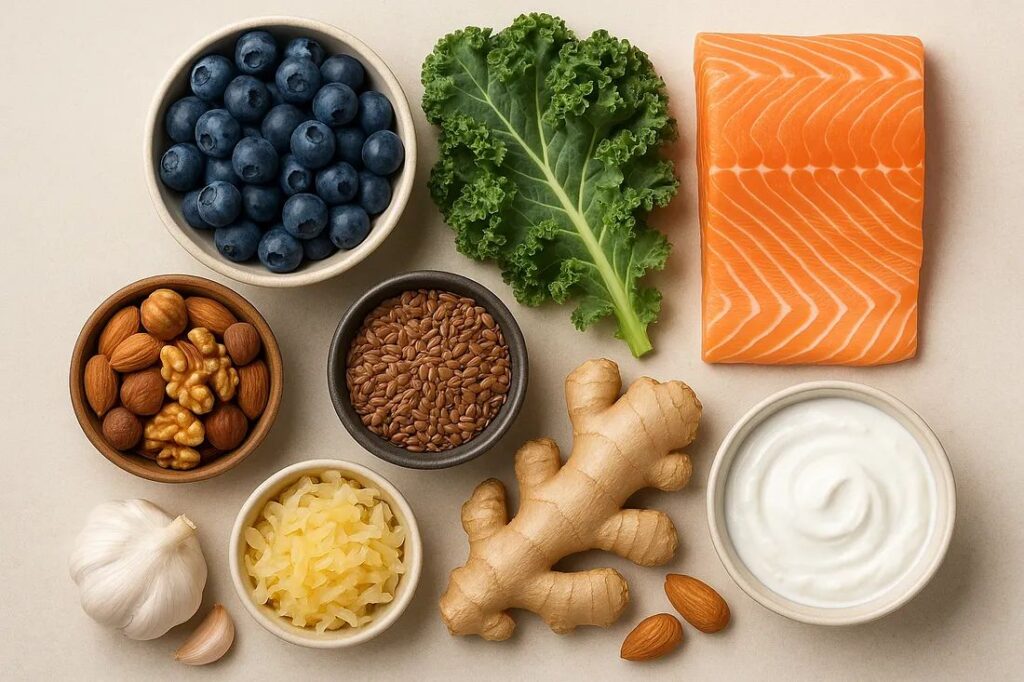
Transforming your skin requires addressing your internal biology. By populating your grocery cart with omega-3 fatty acids, vibrant antioxidants, and gut-supporting ferments, you actively lower systemic inflammation. This systematic shift starves inflammatory skin conditions of their fuel, allowing your body to generate resilient, glowing skin cells. Commit to clean, whole foods, and give your body the time it needs to heal from within.