Building a skincare routine can feel confusing, especially when there are so many products, steps, and beauty trends everywhere. Cleansers, toners, serums, moisturizers, exfoliants, facial oils, masks, sunscreen — it can be hard to know what your skin actually needs. The truth is, a good skincare routine does not have to be complicated. In fact, the best routine is often the one you can follow consistently every day.
A simple daily skincare routine should focus on three main goals: cleansing the skin, keeping it hydrated, and protecting it from damage. Once you understand your skin type and your skin concerns, choosing the right products becomes much easier. This guide will help you build a basic morning and night skincare routine that is effective, beginner-friendly, and not overwhelming.
1. Understand Your Skin Type First
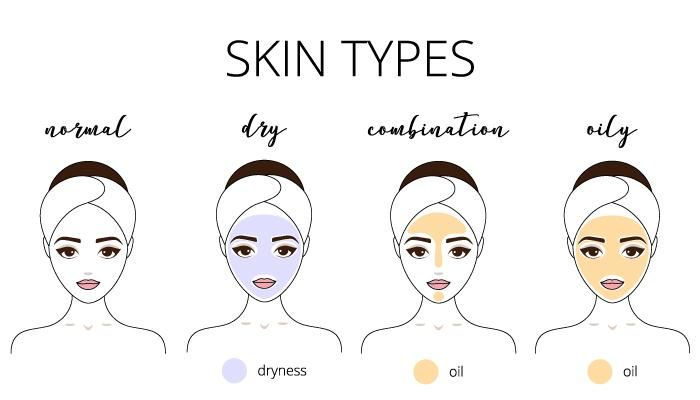
Before buying any skincare product, the first step is to understand your skin type. Your skin type helps you choose products that support your skin instead of irritating it.
If your skin feels shiny and greasy during the day, especially around the forehead, nose, and chin, you may have oily skin. Oily skin often needs lightweight, non-comedogenic products that help balance oil without making the skin feel stripped.
If your skin feels tight, rough, or flaky, you may have dry skin. Dry skin usually needs richer moisturizers, gentle cleansers, and ingredients that help repair the skin barrier.
Combination skin means some areas are oily while others are dry. For example, your T-zone may be oily, but your cheeks may feel dry. This skin type often needs a balanced routine with gentle hydration and lightweight products.
Sensitive skin reacts easily to products, weather, or certain ingredients. It may become red, itchy, or irritated. If you have sensitive skin, choose fragrance-free, gentle formulas and avoid using too many active ingredients at once.
Normal skin is balanced, not too oily and not too dry. Even if your skin is normal, you still need a basic routine to keep it healthy and protected.
2. Choose Products Based On Your Skin Needs
After understanding your skin type, think about your main skin concerns. Are you dealing with acne, dryness, dullness, dark spots, redness, or early signs of aging? Your routine should match your skin’s actual needs instead of following every new trend.
For acne-prone skin, look for lightweight moisturizers, gentle cleansers, and ingredients like salicylic acid, niacinamide, or benzoyl peroxide. However, do not use too many acne treatments at the same time, because this can damage the skin barrier.
For dry or dehydrated skin, focus on hydration and barrier support. Ingredients like hyaluronic acid, glycerin, ceramides, and squalane can help the skin feel softer and more comfortable.
For dull skin, vitamin C, niacinamide, and gentle exfoliation can help improve the appearance of brightness. But exfoliation should only be done a few times per week, not every day.
For sensitive skin, keep your routine minimal. A gentle cleanser, calming moisturizer, and sunscreen are usually enough to start. Avoid harsh scrubs, strong acids, and heavily fragranced products.
For anti-aging care, sunscreen is the most important product. You can also consider ingredients like retinol, peptides, and antioxidants, but introduce them slowly.
3. The Basic Morning Skincare Routine
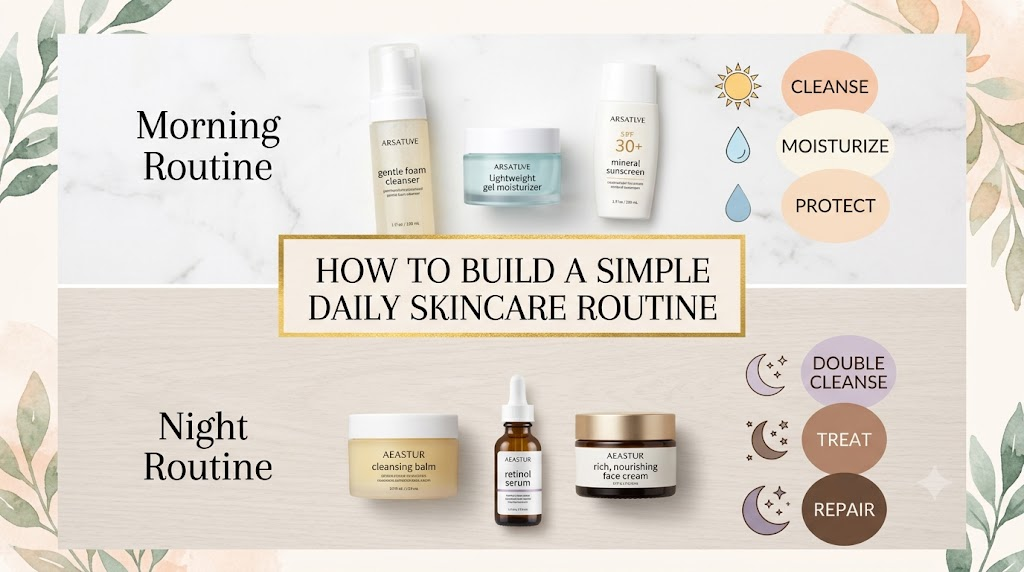
Your morning skincare routine should prepare your skin for the day and protect it from environmental damage. It does not need to include many steps. A simple morning routine can include cleanser, moisturizer, and sunscreen.
Step 1: Cleanser
In the morning, cleansing helps remove sweat, oil, and skincare residue from the night before. If your skin is dry or sensitive, you can use a very gentle cleanser or rinse with water if that works better for your skin. If your skin is oily or acne-prone, a mild gel cleanser may help keep your skin feeling fresh.
Avoid cleansers that leave your skin feeling tight or squeaky clean. That feeling may mean the cleanser is too harsh and has removed too much natural oil from your skin.
Step 2: Moisturizer
Moisturizer helps keep your skin hydrated and supports the skin barrier. Even oily skin needs moisturizer. The key is choosing the right texture.
For oily skin, choose a lightweight gel or lotion. For dry skin, choose a creamier moisturizer. For sensitive skin, choose a fragrance-free moisturizer with calming ingredients.
A good moisturizer should make your skin feel comfortable, not heavy or sticky.
Step 3: Sunscreen
Sunscreen is the most important step in your morning routine. It helps protect your skin from UV damage, dark spots, premature aging, and sun sensitivity. Use sunscreen every morning, even when it is cloudy or you stay indoors near windows.
Choose a broad-spectrum sunscreen with at least SPF 30. Apply enough product to cover your face and neck. If you are outside for a long time, reapply sunscreen throughout the day.

4. The Basic Night Skincare Routine
Your night routine should focus on cleansing away the day and helping your skin recover while you sleep. A simple night routine can include cleanser, treatment serum if needed, and moisturizer.
Step 1: Cleanser
At night, cleansing is very important because it removes sunscreen, makeup, dirt, oil, and pollution from your skin. If you wear makeup or heavy sunscreen, you may use a cleansing balm or micellar water first, then follow with a gentle cleanser. This is called double cleansing.
If you do not wear makeup, one gentle cleanser may be enough. The goal is to clean the skin without irritating it.
Step 2: Treatment Product
This step is optional. A treatment product can be a serum or active ingredient that targets a specific concern. For example, niacinamide may help with oil control and uneven skin tone. Hyaluronic acid can help with hydration. Retinol can support smoother-looking skin and anti-aging care. Salicylic acid can help with clogged pores and acne-prone skin.
If you are a beginner, do not start with too many treatments. Choose one product based on your biggest skin concern and use it slowly. For example, start two or three nights per week, then increase only if your skin tolerates it well.
Step 3: Moisturizer
At night, moisturizer helps lock in hydration and supports the skin barrier. This is especially important if you use active ingredients, because some treatments can make the skin feel dry or sensitive.
If your skin feels irritated, stop strong active products for a few days and focus only on gentle cleanser and moisturizer until your skin feels normal again.

5. Keep Your Routine Simple And Consistent
One common mistake beginners make is using too many products too quickly. More products do not always mean better results. In fact, using too many active ingredients can cause irritation, breakouts, redness, and dryness.
Start with the basics first: cleanser, moisturizer, and sunscreen. Follow this routine consistently for a few weeks before adding extra products. Once your skin feels stable, you can add one treatment product at a time.
Consistency is more important than having a long routine. A simple routine that you follow every day will usually work better than a complicated routine you only follow sometimes.
6. How To Know If A Product Works For You
When you try a new skincare product, give your skin time to adjust. Some products may need several weeks to show visible results. However, if a product causes burning, strong redness, swelling, or painful irritation, stop using it.
It is also helpful to patch test a new product before applying it to your whole face. Apply a small amount on a small area of skin and wait to see if there is any reaction.
Your skin can change over time due to weather, hormones, stress, diet, age, or lifestyle. That means your skincare routine may also need small changes. Listen to your skin and adjust when needed.
Conclusion
Building a simple daily skincare routine does not have to be difficult. The key is to understand your skin type, choose products based on your real skin needs, and keep your routine easy to follow. In the morning, focus on cleansing, moisturizing, and protecting your skin with sunscreen. At night, focus on cleansing, treating specific concerns if needed, and repairing the skin with moisturizer.
You do not need a shelf full of products to have healthy skin. A simple routine done consistently can make a big difference over time. Start with the basics, be patient, and let your skin guide you.