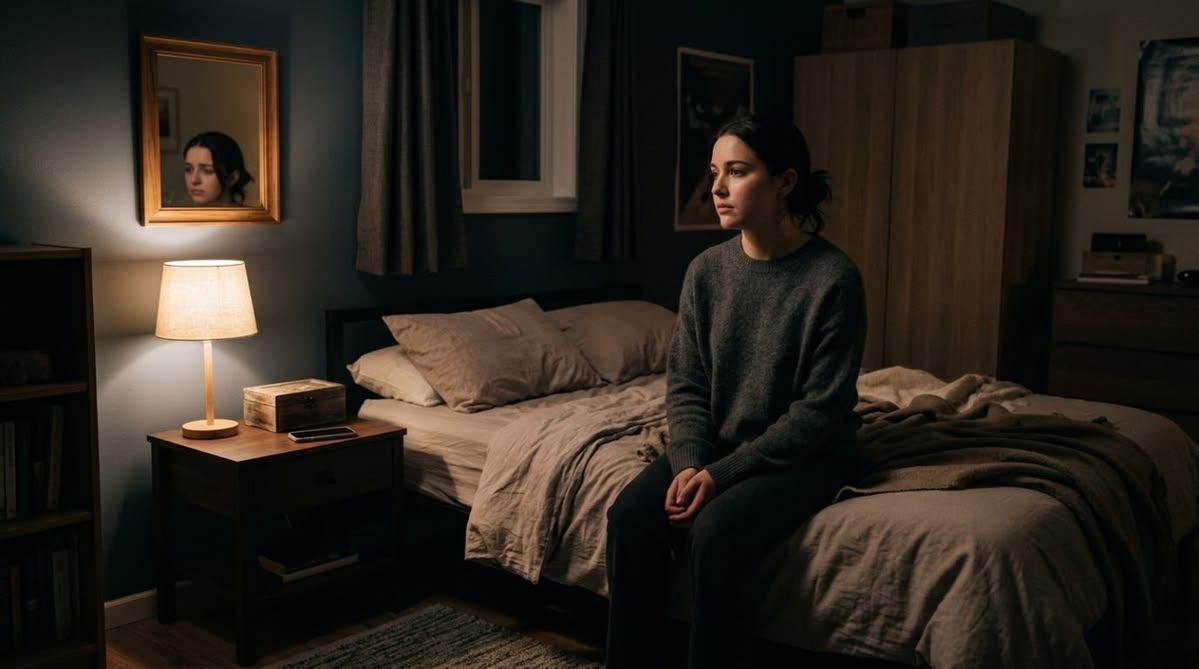
It’s 2:14 AM. You’re staring at the textured patterns on your ceiling, watching the digital numbers on your alarm clock glow in the dark. Your body is heavy with exhaustion, yet your mind is sprinting a marathon, replaying an awkward comment you made three years ago before pivoting into a full-scale panic about tomorrow’s to-do list. If you are lying awake wondering why you can’t sleep because of anxiety, I want you to take a deep breath. I have been exactly where you are right now.
For years, my evenings were a battlefield. I used to think I was just a “bad sleeper,” but the reality was much more treatable: I was trapped in a cycle of overstimulation and poor habits. When I finally stopped treating sleep like something that just happens and started treating it as a transition to be nurtured, everything changed. I developed a personalized bedtime routine for anxiety that grounded me, and it completely transformed my relationship with the night.
Why Midnight Anxiety Feels So Intense
Have you ever noticed how a worry that feels manageable at 2:00 PM suddenly feels catastrophic at 2:00 AM? There is a biological reason for that. During the day, our brains are occupied by work, errands, social interactions, and ambient noise. But when the lights go out, the distractions vanish, leaving a sudden, echoing silence where our thoughts can run wild.
When we experience stress before bedtime, our bodies release spikes of cortisol and adrenaline—the classic “fight or flight” hormones. This hormonal surge mimics danger, keeping our nervous system hyper-alert when we should be winding down.

Often, we inadvertently fuel this fire. Grabbing your phone to distract yourself exposes your eyes to blue light, which tricks your brain into thinking it’s daytime, suppressing melatonin production and disrupting your natural circadian rhythm. Combine that with a late-afternoon iced coffee, a binge-watched thriller, or an inconsistent sleep schedule, and you have the perfect storm for night anxiety.
Before rewriting my nights, I had to understand what to stop doing just as much as what to start doing. Here is a quick look at how shifting those daily habits makes a difference:
| Trigger Habits (Fuels Night Anxiety) | Soothing Habits (Promotes Better Sleep) |
| Scrolling through phone in bed (Blue light stimulation) | Reading a physical book under soft, warm lighting |
| Working or answering emails from bed | Leaving work outside the bedroom sanctuary |
| Keeping a chaotic, late-night schedule | Going to bed at a consistent time every night |
| Letting worries loop continuously in your head | Doing a 5-minute written “brain dump” before bed |
My Non-Negotiable Sleep Hygiene Routine
Overcoming midnight anxiety didn’t happen by magic; it happened through a deliberate, comforting evening ritual. Here is the exact step-by-step healthy sleep habits routine I follow every single night to reset my mind.
I Stop Looking at My Phone One Hour Before Bed
This was the hardest boundary to set, but it yielded the biggest rewards. Giving up the screen sixty minutes before sleep eliminated the immediate mental stimulation of emails and news. Removing doomscrolling gave my nervous system the green light to begin dropping its guard, making the transition to sleep incredibly smooth.
I Dim Every Light in the House
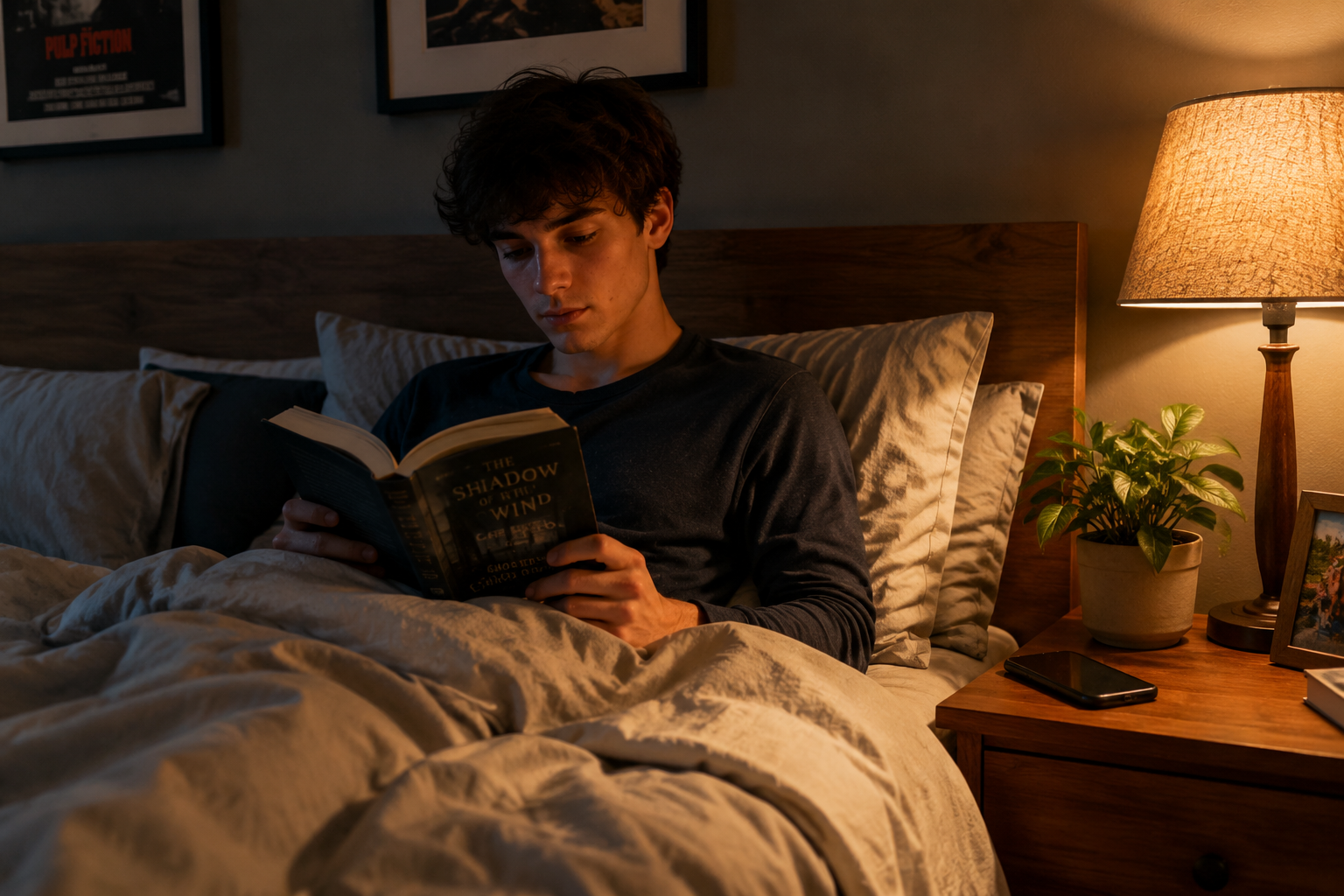
About an hour before I want to sleep, I walk through my apartment and turn off overhead fixtures, switching instead to warm lamps or candlelight. This simple physical cue mimics the natural setting of the sun. It subtly signals to my brain that the day is drawing to a close, naturally prompting my body to start feeling heavy and relaxed.
I Do a Five-Minute Brain Dump
If I go to bed with a full mind, those thoughts will inevitably wake me up later. I keep a plain notebook on my nightstand specifically to externalize my mental clutter. I spend five minutes writing down every lingering worry, tomorrow’s urgent tasks, and random thoughts. Getting them onto paper means my brain doesn’t have to fight to remember them overnight.
I Stretch and Slow My Breathing
Instead of a rigid workout, I spend a few minutes doing gentle, restorative stretches on my rug. I pair this movement with slow, deep belly breathing to tell my body it is safe. I don’t look at this as a medical treatment; it is simply a physical tool to release the physical tension I carry in my shoulders and jaw, grounding my awareness back into the present moment.
I Keep My Bedroom Cool, Quiet, and Boring
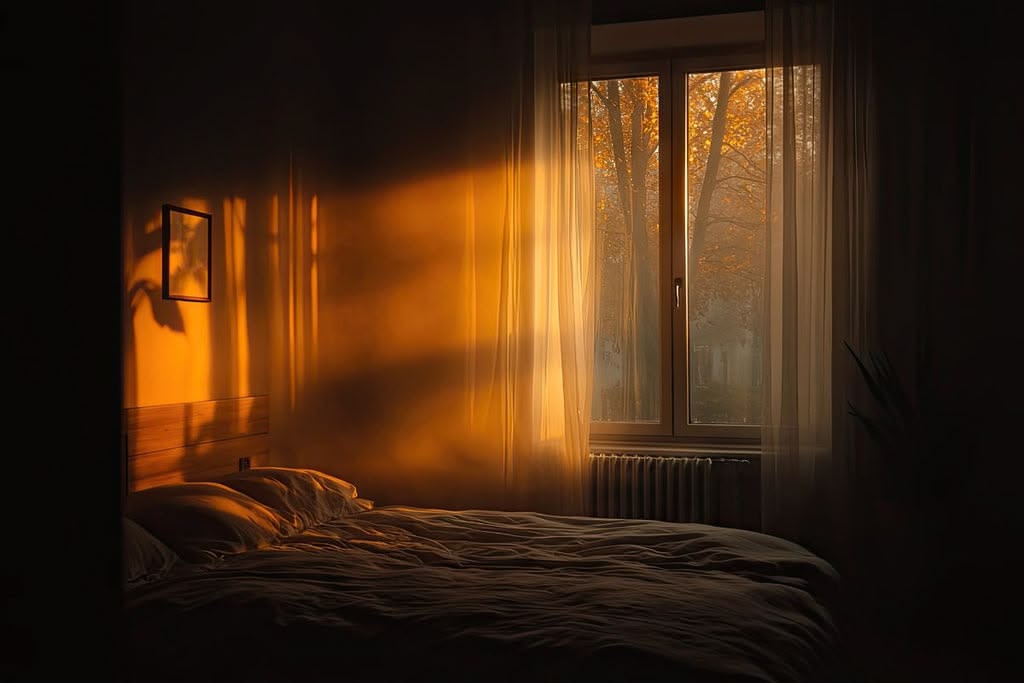
My bedroom used to double as an office and an entertainment hub. Now, it is a sanctuary. I dropped the thermostat to a cool 65 degrees, put up blackout curtains, and cleared the clutter off my dressers. By stripping the room of visual and mental noise, it became a space meant for nothing but rest.
I Read Something Calm Instead of Scrolling
To replace the habit of looking at my screen, I pick up a physical book. The key here is to choose something engaging but low-stakes—light nonfiction, a memoir, or a slow-paced fiction novel. Reading under a soft book light gently tires my eyes out in a way that scrolling through a social media feed never could.
The Habits That Were Secretly Making My Anxiety Worse
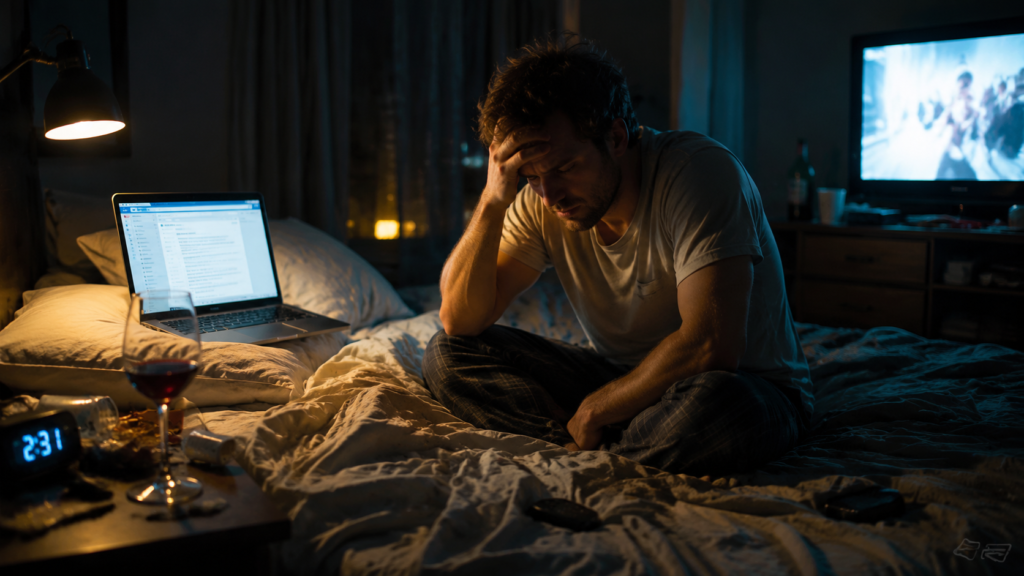
When I was struggling the most, I was blind to the ways my daily choices actively fed my nighttime restlessness. I used to think a glass of wine before bed helped me relax, but alcohol actually disrupts deep REM sleep, often causing a spike in early-morning heart rate and anxiety.
I was also guilty of using my bed as a workspace, answering emails propped up against my pillows. This taught my brain to associate my mattress with productivity and stress rather than relaxation. Combined with a habit of sleeping with the TV on and a wildly irregular bedtime that shifted every weekend, I was keeping my internal biological clock in a permanent state of jet lag. Recognizing and replacing these sneaky triggers was half the battle of establishing a functional sleep routine for adults.
What Changed After I Stayed Consistent
Building a better sleep hygiene routine didn’t cure my anxiety overnight. This is supportive lifestyle advice, not a miracle pharmaceutical fix, and it took a few weeks of consistency to see the shifts.
But gradually, the racing thoughts began to lose their grip. I started falling asleep within twenty minutes rather than tossing and turning for hours. I woke up less frequently in the middle of the night, and when I did, my mind remained calm rather than racing into panic. Mornings began to feel less like a rescue mission and more like a fresh start, leaving me with sustained energy and a noticeably brighter mood throughout the day.
Conclusion
Perfect sleep hygiene is not about rigid perfection; it is about creating a predictable environment of comfort.
A gentle reminder for tonight: Your bed is a place to rest, not a courtroom to judge your past or a boardroom to solve tomorrow’s problems.
If your current bedtime routine leaves you anxious and exhausted, please don’t try to change all your habits by tomorrow night. That pressure will only create more stress.
Instead, choose just one small habit to experiment with tonight. Maybe you turn off your phone thirty minutes early, or perhaps you try the five-minute brain dump. Be gentle with yourself as you navigate this process. Knowing how to calm anxiety before bed is built one peaceful evening at a time, and you deserve a restful place to land tonight.
Disclaimer: The information provided in this article is for educational and informational purposes only and is not intended as medical advice. If you are experiencing chronic insomnia or severe, persistent anxiety, please consult with a qualified healthcare professional.