Aging is a natural part of life, but the way you care for your skin every day can make a big difference in how your skin looks and feels over time. Youthful-looking skin is not only about avoiding wrinkles. It is about keeping your skin hydrated, protected, smooth, firm, and healthy. With the right routine and simple daily habits, you can support your skin and help it maintain a fresh, radiant appearance.
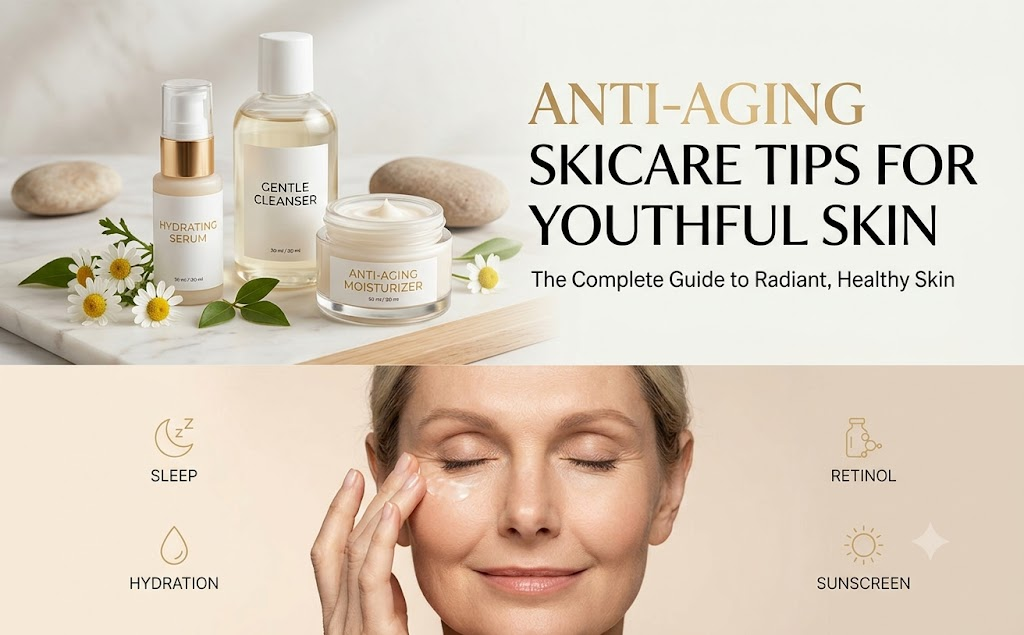
Anti-aging skincare does not need to be complicated or expensive. The most important steps are consistent sun protection, daily moisturizing, using active ingredients like retinol correctly, getting enough sleep, and paying attention to delicate areas such as the eyes. When these basics are done well, your skin has a better chance to stay strong, balanced, and naturally youthful.
Why Anti-Aging Skincare Should Start Early
Many people wait until they see fine lines, wrinkles, or dark spots before thinking about anti-aging skincare. However, prevention is one of the best anti-aging strategies. It is easier to protect your skin early than to repair visible damage later.
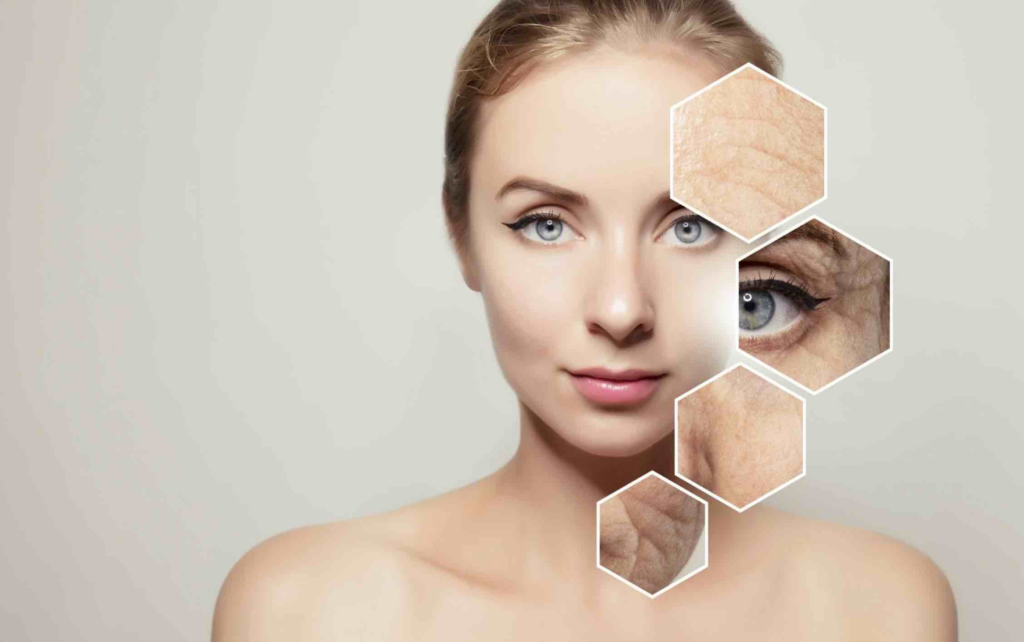
Skin aging can be influenced by many factors, including sun exposure, dryness, pollution, stress, lack of sleep, and lifestyle habits. Over time, the skin may produce less collagen and moisture, which can make it look thinner, drier, and less firm. Fine lines, uneven tone, dullness, and loss of elasticity may also become more noticeable.
A simple anti-aging routine helps protect your skin from daily damage and supports long-term skin health. You do not need many products. You need the right products used consistently.
1. Wear Sunscreen Every Day
Sunscreen is the most important anti-aging skincare product. UV rays from the sun can cause premature aging, dark spots, uneven skin tone, fine lines, and loss of firmness. Even if you use expensive serums or creams, your results may be limited if you do not protect your skin from the sun.
Use a broad-spectrum sunscreen with at least SPF 30 every morning. Apply it to your face, neck, and any exposed areas. Sunscreen should be used even on cloudy days and even when you stay indoors near windows, because UV rays can still affect your skin.
If you spend time outdoors, sweat, or touch your face often, reapply sunscreen throughout the day. Consistent sun protection is one of the easiest and most effective ways to keep your skin looking youthful for longer.
2. Keep Your Skin Well Moisturized
Hydration is essential for youthful-looking skin. When your skin is dry or dehydrated, fine lines can look more visible, and your complexion may appear dull or tired. A good moisturizer helps keep your skin soft, smooth, and comfortable.
Look for moisturizers with ingredients such as hyaluronic acid, glycerin, ceramides, squalane, and panthenol. Hyaluronic acid and glycerin help attract moisture to the skin. Ceramides help support the skin barrier. Squalane and other nourishing ingredients can help reduce water loss and keep the skin feeling supple.
Even oily skin needs moisturizer. The key is choosing the right texture. Oily skin may prefer a lightweight gel-cream, while dry skin may need a richer cream. Sensitive skin should choose fragrance-free formulas with barrier-supporting ingredients.
Moisturizing every day helps your skin barrier stay strong, which is important for long-term skin health.
3. Use Retinol The Right Way
Retinol is one of the most popular anti-aging ingredients because it can help improve the appearance of fine lines, uneven texture, and dullness. It supports skin renewal and can make the skin look smoother over time. However, retinol must be used carefully, especially if you are a beginner.
Start slowly. Use retinol two nights per week at first, then increase gradually if your skin tolerates it well. Apply a small amount to clean, dry skin, then follow with moisturizer. If your skin is sensitive, you can apply moisturizer before and after retinol to reduce irritation.
Do not use retinol together with strong exfoliating acids in the same routine unless your skin is already used to both. Using too many strong ingredients can damage your skin barrier and cause dryness, peeling, or redness.
Retinol should usually be used at night, and sunscreen is very important the next morning. If your skin becomes irritated, pause retinol and focus on gentle moisturizer until your skin feels calm again.
4. Support Your Skin Barrier
A healthy skin barrier is important for youthful skin. Your skin barrier helps keep moisture in and protects the skin from irritation, pollution, and environmental stress. When the barrier is weak, your skin may become dry, sensitive, red, or rough.
To support your skin barrier, avoid harsh cleansers, over-exfoliation, and too many active ingredients at once. Choose gentle products that help your skin feel comfortable. Ingredients like ceramides, niacinamide, panthenol, glycerin, and squalane can be helpful for barrier support.
A strong skin barrier makes your skin look calmer, smoother, and healthier. Anti-aging skincare is not only about strong treatments. It is also about protecting and repairing the skin every day.
5. Care For The Eye Area Gently
The skin around the eyes is thinner and more delicate than the rest of the face. This area may show early signs of aging, such as fine lines, dryness, puffiness, or dark circles. That is why gentle eye care can be an important part of an anti-aging routine.
Use a lightweight eye cream or moisturizer around the eye area if it feels dry. Look for ingredients such as hyaluronic acid, peptides, caffeine, niacinamide, or ceramides. These ingredients may help hydrate, smooth, and refresh the appearance of the eye area.
When applying product near the eyes, use your ring finger and tap gently. Do not pull or rub the skin. Also, remember to apply sunscreen carefully around the eye area or use sunglasses when outdoors for extra protection.
6. Exfoliate Gently, Not Aggressively
Exfoliation can help remove dead skin cells and make the skin look brighter and smoother. However, too much exfoliation can damage the skin barrier and make signs of aging look worse. Over-exfoliated skin may become red, dry, sensitive, or flaky.
For most people, exfoliating one to three times per week is enough. Choose gentle exfoliants and avoid rough scrubs if your skin is sensitive. Chemical exfoliants such as lactic acid, glycolic acid, or mandelic acid can help improve texture, but they should be introduced slowly.
If you are already using retinol, be careful with exfoliation. You may not need strong exfoliants often. The goal is smooth skin, not irritated skin.
7. Get Enough Sleep
Sleep is an important part of healthy and youthful-looking skin. During sleep, the body goes into repair mode. When you do not sleep enough, your skin may look dull, tired, puffy, or less refreshed.
Try to build a relaxing nighttime routine. Remove makeup and sunscreen, apply your skincare, and give yourself time to rest. Reducing screen time before bed, drinking enough water during the day, and keeping a regular sleep schedule can also support better skin.
No skincare product can fully replace good sleep. A healthy lifestyle and a consistent routine work together to help your skin look fresher and more radiant.
8. Eat Well And Stay Hydrated
Your skin also reflects your daily habits. Drinking enough water and eating balanced meals can support your overall health and help your skin look better. Foods rich in antioxidants, healthy fats, protein, vitamins, and minerals can support skin health from the inside.
Try to include fruits, vegetables, nuts, seeds, fish, eggs, and whole foods in your diet. Antioxidant-rich foods such as berries, green tea, tomatoes, and leafy greens can help support the body against environmental stress.
You do not need a perfect diet to have youthful skin. Simple, consistent habits can make a difference over time.
9. Avoid Smoking And Manage Stress
Smoking can make the skin look older faster by affecting circulation and contributing to dullness, fine lines, and loss of firmness. Avoiding smoking is one of the best lifestyle choices for healthier-looking skin.
Stress can also affect your skin. It may trigger breakouts, dryness, sensitivity, or dullness. While stress cannot always be avoided, small habits like walking, deep breathing, better sleep, and taking breaks can help your body and skin feel more balanced.
Anti-aging skincare is not only about products. It is also about protecting your skin from lifestyle factors that can speed up visible aging.
10. Build A Simple Anti-Aging Routine
A simple anti-aging routine can be very effective when done consistently.
Morning routine:
Gentle cleanser → Hydrating serum → Moisturizer → Sunscreen
Night routine:
Gentle cleanser → Retinol or treatment product → Moisturizer
If your skin is sensitive, keep the routine even simpler. Start with cleanser, moisturizer, and sunscreen before adding retinol or other active ingredients. Introduce new products slowly and listen to your skin.
The best anti-aging routine is one that protects your skin during the day and supports repair at night.
Conclusion
Youthful skin is not about stopping aging completely. It is about caring for your skin in a way that keeps it healthy, hydrated, protected, and radiant. The most important anti-aging skincare tips are simple: wear sunscreen every day, moisturize consistently, use retinol correctly, get enough sleep, and take gentle care of the eye area.
Avoid harsh products, over-exfoliation, and routines that are too complicated. Focus on protecting your skin barrier and building habits you can maintain every day. With patience and consistency, your skin can look smoother, fresher, and more youthful over time.