In recent years, the beauty industry has undergone a remarkable transformation. Consumers are no longer focusing solely on promises of flawless skin or anti-aging miracles—they are paying closer attention to what goes into their skincare products. The growing demand for clean beauty has encouraged brands to develop products that prioritize skin health while minimizing exposure to harsh chemicals.
But what does “beauty without harsh chemicals” actually mean? Is natural skincare always better? And how can you build an effective skincare routine without sacrificing results?
This comprehensive guide explores everything you need to know about achieving beautiful, healthy skin using safe, gentle, and effective ingredients.
What Are Harsh Chemicals in Skincare?
Harsh chemicals refer to ingredients that may irritate the skin, disrupt its natural barrier, or cause unwanted side effects, particularly when used excessively or by individuals with sensitive skin.
Not every synthetic ingredient is harmful, and not every natural ingredient is safe. The key lies in understanding which ingredients have a higher likelihood of causing irritation and whether they are appropriate for your skin type.
Common harsh ingredients include:
- Sulfates (such as Sodium Lauryl Sulfate)
- Certain drying alcohols
- Formaldehyde-releasing preservatives
- High concentrations of artificial fragrance
- Certain essential oils in excessive amounts
- Strong exfoliating acids used too frequently
These ingredients may work well for some people but can trigger redness, dryness, or irritation in others.
Why More People Are Choosing Clean Beauty
Clean beauty has become more than a trend—it reflects a broader shift toward healthier lifestyles and informed consumer choices.
People are increasingly reading ingredient labels before making purchases. Instead of looking only at marketing claims, they want products that are transparent about their formulations.
Reasons consumers choose cleaner skincare include:
- Reducing skin irritation
- Supporting the skin barrier
- Avoiding unnecessary additives
- Seeking environmentally responsible products
- Choosing cruelty-free and sustainable brands
- Creating a more mindful self-care routine
For many, skincare is no longer just about appearance but about long-term skin health.
Common Ingredients Many People Choose to Limit
Although regulations vary across countries, many consumers prefer minimizing exposure to certain ingredients based on personal preference or skin sensitivity.
1. Sulfates
Sulfates are cleansing agents commonly found in face washes and shampoos.
While they effectively remove oil and dirt, they may also strip away the skin’s natural moisture, leaving it feeling dry and tight.
Gentler alternatives include:
- Coco-glucoside
- Decyl glucoside
- Sodium cocoyl isethionate
2. Artificial Fragrances
Fragrance is one of the most common triggers for sensitive skin.
Products labeled “fragrance-free” or those with minimal fragrance are often better tolerated by individuals prone to irritation.
3. Drying Alcohols
Not all alcohols are harmful.
Drying alcohols like Alcohol Denat. or Isopropyl Alcohol can sometimes dry out the skin, while fatty alcohols such as Cetyl Alcohol and Stearyl Alcohol are generally used as moisturizing and stabilizing ingredients.
Understanding the difference can help you make better product choices.
4. Formaldehyde-Releasing Preservatives
Certain preservatives slowly release small amounts of formaldehyde to prevent microbial growth.
Some people prefer avoiding these ingredients, especially if they have highly sensitive skin.
5. Excessive Essential Oils
Natural does not automatically mean gentle.
Tea tree, peppermint, cinnamon, citrus, and eucalyptus oils may irritate sensitive skin when used in high concentrations.
Moderation is key.
Ingredients That Support Healthy Skin
Instead of focusing only on what to avoid, it’s equally important to know which ingredients can nourish and protect your skin.
Some of the most effective gentle ingredients include:
Hyaluronic Acid
Provides deep hydration by attracting water to the skin.
Ideal for nearly every skin type.
Niacinamide
One of the most versatile skincare ingredients.
Benefits include:
- Improving skin barrier function
- Reducing redness
- Minimizing excess oil
- Evening skin tone
- Supporting hydration
Ceramides
Ceramides are naturally found in healthy skin.
They help repair and strengthen the protective skin barrier while reducing moisture loss.
Glycerin
A classic humectant that attracts moisture and keeps skin soft.
Simple, affordable, and highly effective.
Aloe Vera
Known for its soothing properties.
Particularly beneficial after sun exposure or when calming irritated skin.
How to Build a Gentle Skincare Routine
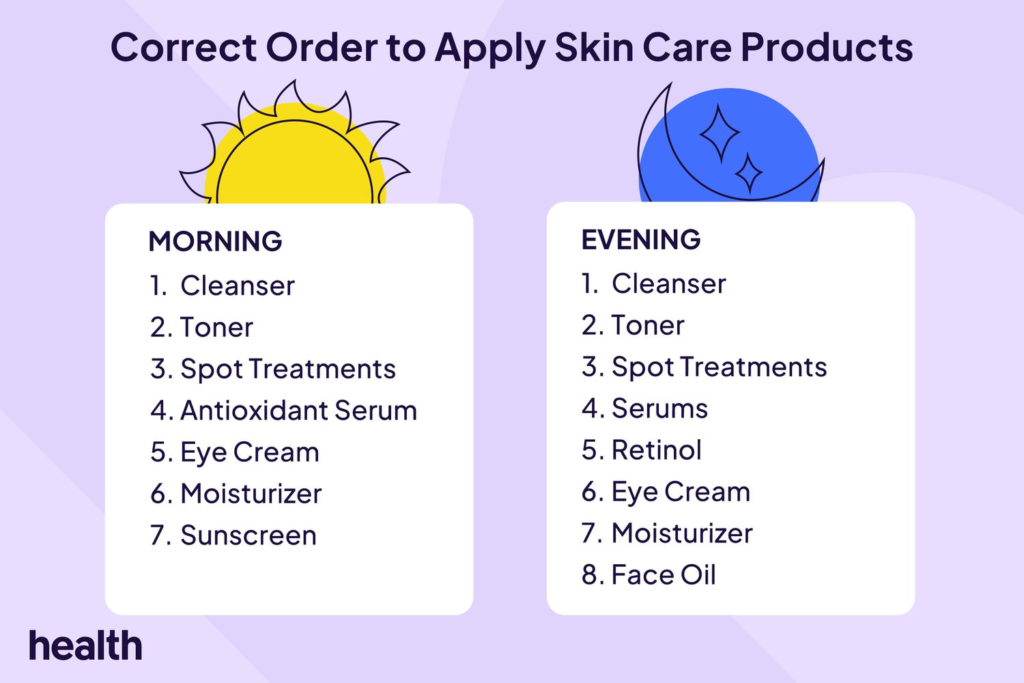
A simple routine often produces better long-term results than using too many active ingredients.
Step 1: Cleanser
Choose a mild cleanser that removes dirt without leaving your skin feeling stripped.
Look for:
- Sulfate-free formulas
- Hydrating ingredients
- pH-balanced cleansers
Step 2: Hydrating Serum
Apply ingredients like:
- Hyaluronic Acid
- Panthenol
- Glycerin
These help replenish moisture immediately after cleansing.
Step 3: Moisturizer
A good moisturizer locks hydration into the skin.
Look for:
- Ceramides
- Squalane
- Shea Butter
- Oat Extract
Step 4: Sunscreen
Daily sunscreen remains one of the most effective ways to protect your skin from premature aging and UV damage.
Choose a broad-spectrum sunscreen with an SPF appropriate for your needs and apply it consistently.
Understanding Ingredient Labels
Learning to read ingredient lists helps you make informed decisions.
Keep these tips in mind:
- Ingredients are generally listed in descending order by concentration.
- The first five to ten ingredients often make up the majority of the formula.
- Marketing terms like “natural” or “clean” may not have a universal definition.
- Look beyond the front label and review the full ingredient list.
With practice, you’ll become more confident in selecting products that align with your preferences.
Natural vs. Synthetic: The Truth
One of the biggest misconceptions in skincare is that natural ingredients are always safer than synthetic ones.
In reality:
Natural ingredients can:
- Cause allergies
- Vary in quality
- Be less stable
Synthetic ingredients can:
- Be highly purified
- Improve product stability
- Reduce contamination
- Deliver consistent performance
The best skincare products often combine thoughtfully selected natural and synthetic ingredients to balance safety, effectiveness, and stability.
Tips for Sensitive Skin
If your skin reacts easily, consider these strategies:
- Introduce one new product at a time.
- Perform a patch test before full use.
- Avoid over-exfoliating.
- Keep your routine simple.
- Moisturize regularly.
- Protect your skin from excessive sun exposure.
Patience is essential—healthy skin rarely improves overnight.
Sustainable Beauty Goes Hand in Hand with Clean Beauty
Many clean beauty brands also focus on sustainability.
You may notice efforts such as:
- Recyclable packaging
- Refillable containers
- Cruelty-free testing policies
- Responsibly sourced ingredients
- Reduced plastic waste
Choosing products that align with these values can support both your skincare goals and broader environmental considerations.
Common Myths About Clean Beauty
Myth 1: Chemical-Free Beauty Exists
Everything, including water and botanical extracts, is made of chemicals. The more meaningful distinction is between ingredients that are appropriate or inappropriate for your skin.
Myth 2: Natural Products Never Cause Irritation
Many botanical extracts and essential oils can trigger allergic reactions in some individuals.
Myth 3: More Products Mean Better Results
Using too many products at once can overwhelm your skin and increase the risk of irritation.
Consistency with a well-balanced routine is often more beneficial.
Myth 4: Expensive Products Are Always Better
Price does not necessarily reflect effectiveness.
Well-formulated products at various price points can deliver excellent results.
Choosing Products Wisely
When shopping for skincare, consider the following checklist:
✔ Read the ingredient list.
✔ Understand your skin type.
✔ Research the brand’s transparency.
✔ Look for clinically supported ingredients.
✔ Avoid buying products based solely on social media trends.
✔ Introduce new products gradually.
Remember that the best skincare routine is the one you can maintain consistently.
Conclusion
Beauty without harsh chemicals is not about avoiding every synthetic ingredient or chasing the latest trend. Instead, it is about making informed choices that support your skin’s natural barrier, minimize unnecessary irritation, and promote long-term skin health.
By understanding ingredient labels, selecting gentle yet effective formulations, and building a simple, consistent routine, you can achieve healthy, radiant skin without relying on overly aggressive products.
Ultimately, beautiful skin comes from balance—not perfection. Focus on nourishing your skin with ingredients that work for your unique needs, and you’ll be well on your way to a healthier, more confident skincare journey.