Healthy, glowing skin begins with more than just a good skincare routine—it starts with understanding what goes into the products you use every day. As consumers become more informed, the demand for skincare made with clean, carefully selected ingredients continues to grow. Rather than chasing quick fixes, many people now prioritize products that nourish the skin while avoiding unnecessary irritants.
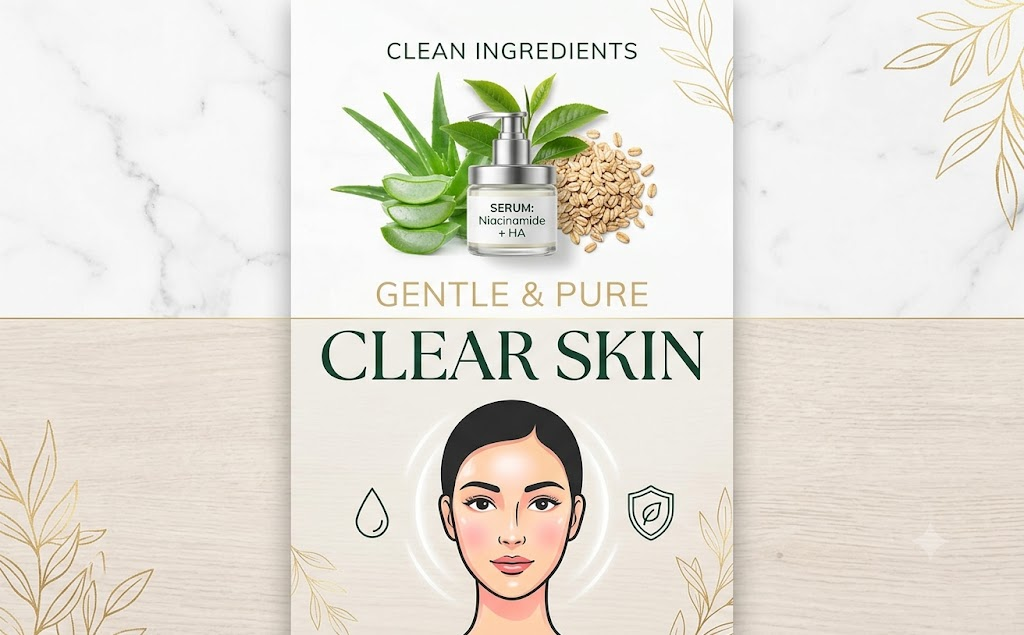
The phrase “Clean Ingredients, Clear Skin” reflects a simple yet powerful philosophy: choosing gentle, effective ingredients can help support your skin’s natural barrier and contribute to a healthier complexion over time.
But what exactly are clean ingredients? Do they guarantee better skin? And how can you identify products that truly benefit your skin without falling for marketing buzzwords?
This guide explores everything you need to know about clean skincare ingredients, how they work, and how to build a routine that promotes naturally clear, healthy skin.
What Are Clean Ingredients?
The term clean ingredients generally refers to ingredients that are chosen for their safety, effectiveness, and compatibility with the skin. While there is no single universal definition of “clean beauty,” many brands focus on creating formulas that avoid ingredients commonly associated with irritation or unnecessary additives.
Clean skincare often emphasizes:
- Gentle cleansing agents
- Skin-supporting moisturizers
- Minimal unnecessary fillers
- Thoughtfully selected preservatives
- Transparent ingredient lists
- Responsible sourcing
Rather than eliminating every synthetic ingredient, clean skincare aims to balance safety, performance, and long-term skin health.
Why Ingredients Matter More Than Marketing
Beautiful packaging and trendy labels can be appealing, but the ingredient list tells the real story.
Many skincare products promise instant results while containing ingredients that may not suit every skin type. Understanding what is inside a product helps you make informed choices based on your skin’s needs instead of advertising claims.
When evaluating skincare products, ask yourself:
- Does this ingredient support my skin type?
- Is it likely to cause irritation?
- Does it provide proven skincare benefits?
- Is the formula balanced for daily use?
Learning to answer these questions can significantly improve your skincare routine.
Common Ingredients That Support Clear Skin
Certain ingredients consistently appear in well-formulated skincare products because of their ability to promote healthy-looking skin.
1. Niacinamide
Niacinamide is one of the most versatile skincare ingredients available.
Benefits include:
- Reducing redness
- Balancing oil production
- Improving skin texture
- Supporting the skin barrier
- Helping minimize the appearance of pores
It is suitable for most skin types, including sensitive skin.
2. Hyaluronic Acid
Despite the word “acid,” hyaluronic acid is a gentle hydrator that attracts moisture to the skin.
Proper hydration can make skin appear smoother, plumper, and healthier.
3. Ceramides
Ceramides are lipids naturally found in the skin. They help maintain the skin barrier, preventing moisture loss and protecting against external stressors.
Products containing ceramides are especially beneficial for dry or compromised skin.
4. Glycerin
Glycerin is a classic humectant that draws water into the skin.
Its benefits include:
- Long-lasting hydration
- Improved softness
- Enhanced skin comfort
5. Green Tea Extract
Rich in antioxidants, green tea extract helps protect the skin from environmental stress while providing soothing benefits
Ingredients Some People Prefer to Avoid
Not every ingredient is harmful, but certain ingredients may be less suitable for individuals with sensitive or reactive skin.
Examples include:
High Levels of Artificial Fragrance
Fragrance is one of the most common causes of cosmetic sensitivity.
People with delicate skin often prefer fragrance-free products.
Harsh Sulfates
Strong cleansing agents may remove natural oils, leaving skin dry or tight after washing.
Gentler alternatives are now widely available.
Drying Alcohols
Some alcohols can evaporate quickly, potentially increasing dryness when used frequently.
However, fatty alcohols such as cetyl alcohol are generally moisturizing and should not be confused with drying alcohols.
Excessive Essential Oils
Natural oils like peppermint, cinnamon, or citrus oils can irritate some individuals, particularly when used in high concentrations.
Building a Clean Skincare Routine
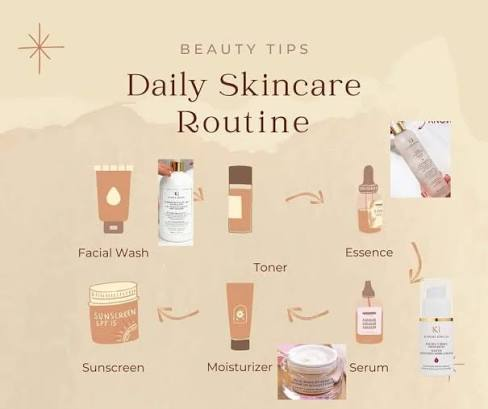
You do not need a complicated ten-step routine to achieve healthy skin.
A simple, consistent routine often works best.
Step 1: Gentle Cleanser
Choose a cleanser that removes dirt without stripping natural moisture.
Look for:
- Sulfate-free formulas
- Hydrating ingredients
- Balanced pH
Step 2: Treatment Serum
Depending on your skin concerns, consider ingredients like:
- Niacinamide
- Vitamin C
- Hyaluronic Acid
- Azelaic Acid
Introduce only one new active ingredient at a time.
Step 3: Moisturizer
A quality moisturizer helps seal hydration into the skin.
Beneficial ingredients include:
- Ceramides
- Squalane
- Shea Butter
- Colloidal Oatmeal
Step 4: Sunscreen
Daily sunscreen is one of the most important skincare habits.
Broad-spectrum SPF helps protect against UV damage, premature aging, and uneven skin tone.
Clean Ingredients for Different Skin Types
Oily Skin
Look for:
- Niacinamide
- Zinc PCA
- Green Tea
- Lightweight moisturizers
Dry Skin
Choose ingredients such as:
- Ceramides
- Glycerin
- Hyaluronic Acid
- Squalane
Sensitive Skin
Focus on calming ingredients like:
- Aloe Vera
- Oat Extract
- Panthenol
- Allantoin
Avoid introducing multiple active ingredients at once.
Combination Skin
A balanced routine with lightweight hydration and gentle cleansing usually works well.
Reading Ingredient Labels Like a Pro
Ingredient labels may seem complicated at first, but they become easier to understand with practice.
Keep these tips in mind:
- Ingredients are generally listed in descending order by concentration.
- The first several ingredients often make up the majority of the formula.
- Marketing phrases such as “natural” or “green” do not always indicate product quality.
- Look for transparency rather than buzzwords.
The more familiar you become with ingredient names, the more confident your purchasing decisions will be.
Common Clean Beauty Myths
Myth 1: Natural Always Means Better
Natural ingredients can still trigger allergies or irritation.
Myth 2: Synthetic Ingredients Are Harmful
Many synthetic ingredients improve product safety, stability, and performance.
Myth 3: More Products Equal Better Skin
Overloading your skin with too many products may lead to irritation.
Consistency often delivers better long-term results.
Myth 4: Clean Beauty Is Only for Sensitive Skin
People with oily, acne-prone, combination, and mature skin can also benefit from thoughtfully formulated skincare.
Lifestyle Habits That Support Clear Skin
Skincare is only one part of maintaining a healthy complexion.
Daily habits also play an important role.
Consider:
- Drinking enough water
- Eating a balanced diet rich in fruits and vegetables
- Getting adequate sleep
- Managing stress
- Exercising regularly
- Avoiding smoking
- Cleaning makeup brushes frequently
- Removing makeup before bed
Healthy skin reflects healthy daily habits.
How to Choose Truly Clean Products
Before purchasing a new skincare product, ask yourself:
✔ Does the brand provide a complete ingredient list?
✔ Are the active ingredients backed by research?
✔ Is the formula appropriate for my skin type?
✔ Does the product avoid ingredients I know irritate my skin?
✔ Is the packaging hygienic and easy to use?
Choosing products thoughtfully helps reduce unnecessary trial and error.
Conclusion
Clear skin is rarely the result of a single miracle ingredient. Instead, it comes from consistently choosing products that support your skin’s natural balance and avoiding ingredients that may cause unnecessary irritation.
By learning how to identify clean ingredients, understanding your skin’s unique needs, and building a simple yet effective skincare routine, you can make informed choices that promote healthier, more radiant skin over time.
Remember, the goal isn’t perfection—it’s healthy, resilient skin that feels comfortable and cared for every day. When you focus on quality ingredients rather than marketing claims, you’re investing in skincare that truly supports your long-term skin health.