We’ve all had those mornings. You roll out of bed after a grueling week of tight deadlines, minimal sleep, and one too many cups of coffee, only to look in the mirror and wonder, Who on earth is that? Your eyes look a little heavier, your jawline seems to have lost its usual definition, and there’s a general, stubborn puffiness that even a splash of ice-cold water just won’t fix.
Lately, if you’ve spent any time scrolling through your social media feeds, you’ve probably run into a specific phrase slapped across videos of people sharing their stark before-and-after photos: “cortisol face.” As someone who has spent over a decade working as a health and wellness blogger—talking with dermatologists, interviewing nutritionists, and trading horror stories with everyday people about how our chaotic lifestyles show up on our skin—I knew I needed to dive into this trend. Is chronic stress actually reshaping our jawlines, or is this just another internet buzzword designed to make us stare micro-analytically at our reflections?
Let’s unpack what is actually happening when stress hits your body, separate the viral myths from medical facts, and look at practical, lifestyle-first ways to find your glow again.
What Exactly Is “Cortisol Face”?
First things first: if you were to flip through a medical textbook or ask a doctor during a routine checkup, you wouldn’t find a single chapter dedicated to cortisol face. It is not an official medical diagnosis, nor is it a recognized clinical term. Instead, it’s a viral phrase coined by the internet to describe the facial puffiness, bloating, and dullness that many adults notice during periods of intense, prolonged pressure.
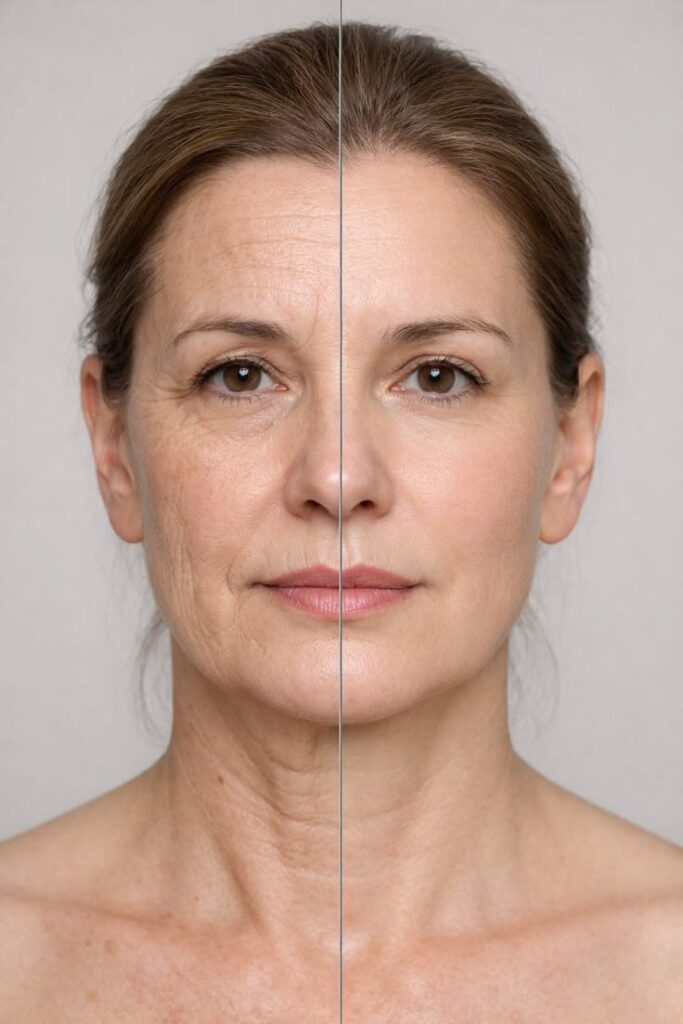
In my experience, when a wellness term goes viral like this, it’s usually because it taps into a very real, shared human experience. We feel the physical toll of a frantic life, so when we see a catchy name that connects our overwhelming Google Calendars to our physical appearance, it instantly clicks.
However, we need to make an important distinction right out of the gate. True, severe medical overproduction of cortisol—such as in Cushing’s syndrome, a rare endocrine disorder—can cause a distinct structural change known medically as “moon face,” which is often accompanied by rapid weight gain in the torso and a buffalo hump on the back. But for the vast majority of us scrolling through social media, our mild facial puffiness isn’t a rare clinical disease. It is simply our body raising a red flag that our daily anxiety levels are spinning out of control.
Can Stress Really Change Your Appearance?
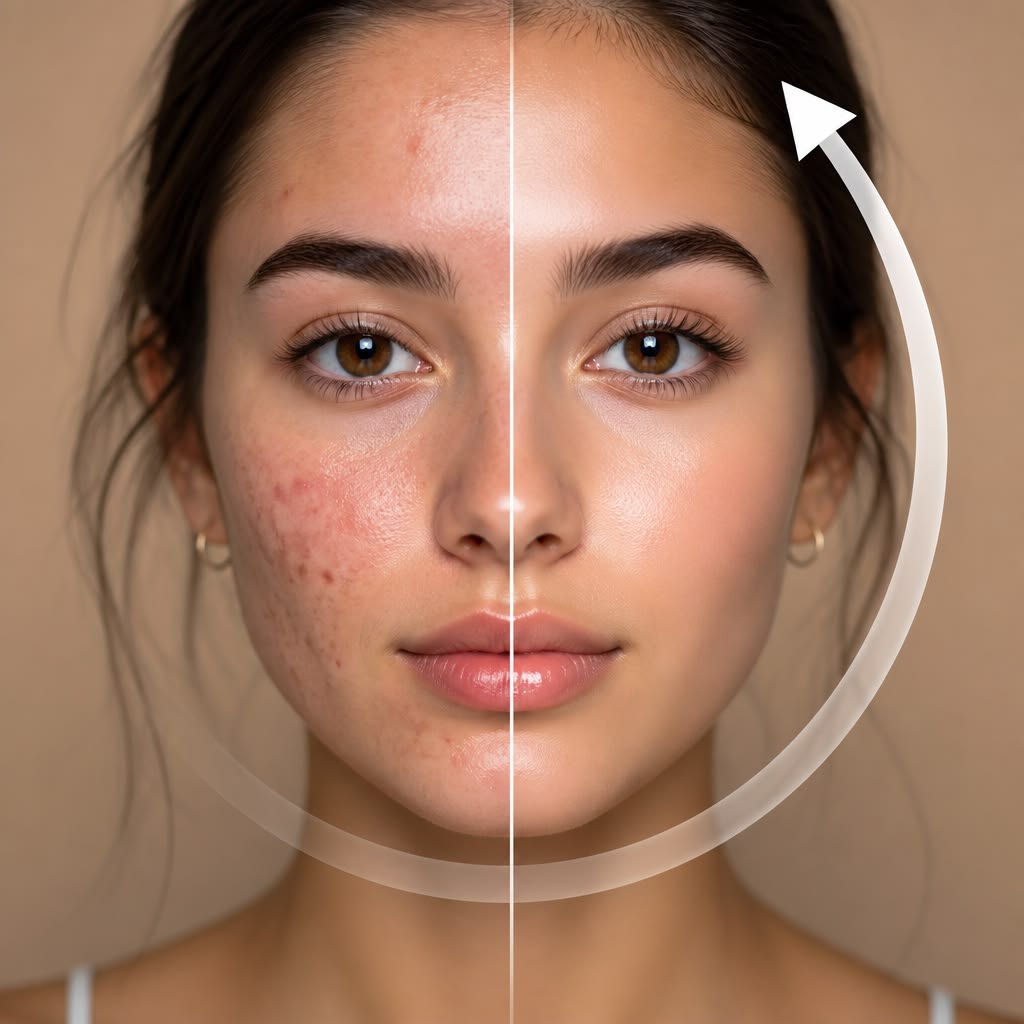
The short answer? Yes, absolutely. But it doesn’t happen by magic overnight, and it’s not permanently changing your bone structure. When we experience chronic stress, our body initiates a cascade of internal, chemical shifts that directly alter how our skin behaves, breathes, and retains moisture.
Here is exactly how that relationship between stress and skin plays out in real-time:

Inflammation and the Skin Barrier
One thing I’ve noticed over years of writing about skincare is how underappreciated the skin barrier is. When you are constantly overwhelmed, your body releases inflammatory cytokines. This internal inflammation weakens your skin’s outer protective layer, making it incredibly hard to retain moisture and terrifyingly easy for environmental irritants to get in. The result? A dull complexion, sudden redness, and unexpected sensitivity that makes your usual skincare products sting.
The Sleep Disruption Cycle
What often surprises people is how quickly a single bad night’s sleep alters facial structure the next morning. When you are stressed, your mind races, and you miss out on deep, restorative slow-wave sleep. This is the exact window when your body goes into repair mode. Without it, blood circulation slows down, causing fluid to pool under your eyes and around your lower face, leaving you looking swollen and exhausted.
Water Retention and Sudden Breakouts
Have you ever noticed that you crave incredibly salty snacks or sugary comfort foods when you’re working against a tight deadline? Elevated stress hormones alter your fluid and electrolyte balance, prompting your body to hold onto water defensively. Combine that fluid retention with an increase in sebum (oil) production—another classic side effect of hormonal spikes—and you have the perfect recipe for a puffy face and a sudden wave of adult acne.
The Science Behind Cortisol: Your Body’s Alarm System
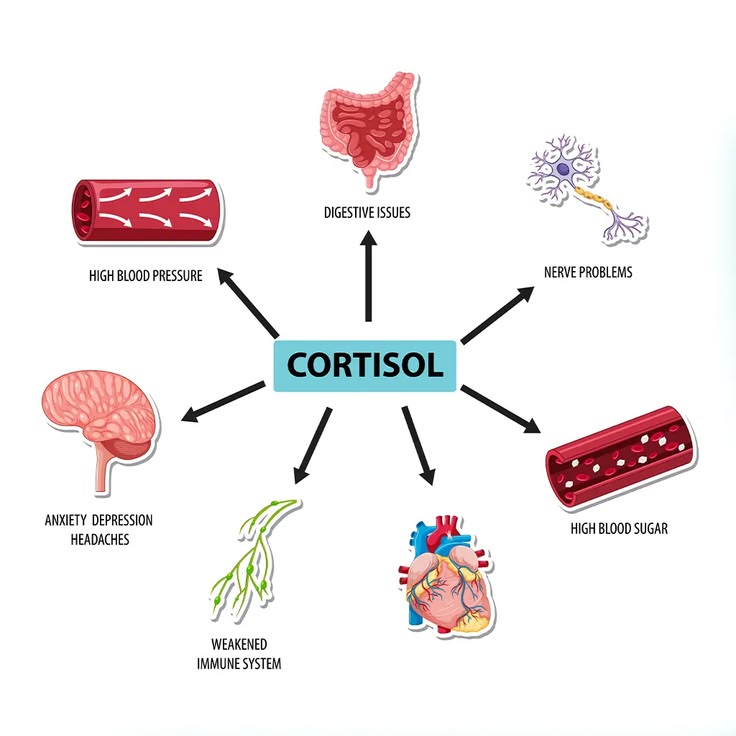
To understand how to reverse these changes, we have to look at the actual effects of cortisol itself. Cortisol is often labeled the “bad guy” or the “death hormone” in trendy wellness videos, but it’s actually essential for our daily survival. Produced by your adrenal glands, cortisol is your body’s built-in, biological alarm system. It helps regulate your blood pressure, keeps your immune system in check, controls your blood sugar, and manages how your body metabolizes carbohydrates, fats, and proteins.
In a perfectly healthy, low-stress routine, your cortisol levels follow a beautiful natural curve: they peak high in the morning to help you feel alert and wake up, and they gradually drop throughout the day so you can wind down and sleep peacefully at night.
$$Cortisol\ Level\ (Healthy) = High\ (Morning) \rightarrow Low\ (Night)$$
The problem arises when the alarm bell never stops ringing. Modern micro-stressors—like a pinging work phone at 10 PM, rush-hour traffic, or financial anxiety—keep your body in a permanent state of “fight or flight.” When you have sustained, elevated cortisol circulating through your system for weeks or months on end, it continuously signals your body to conserve energy, retain fluid, and increase systemic inflammation. That is the exact mechanism that leads to the tired, soft puffiness we see in the mirror.
Natural Ways to Reduce “Cortisol Face”
The good news is that you don’t need expensive luxury serums, painful clinical treatments, or trendy facial vacuums to get things back in balance. Because the root cause is lifestyle-driven, the solutions are too. If you want to reduce cortisol naturally and restore your skin’s vitality, focus on these foundational, everyday habits.
1. Fix Your Sleep Architecture
Many people expect a single nine-hour weekend sleep session to erase a month of burnout. In reality, your endocrine system thrives on predictability. Going to bed and waking up at the same time every single day—even on weekends—stabilizes your natural cortisol curve. This consistency allows your lymphatic system to efficiently drain excess facial fluid overnight, meaning you wake up looking sharper and more refreshed.
2. Hydrate with Strategic Intent
It sounds completely counterintuitive, but drinking more water actually tells your body it is safe to release the water it’s retaining. When you are dehydrated, your body goes into survival mode and holds onto every drop of fluid, often storing it in your face and ankles. Aim for steady, consistent hydration throughout the day rather than chugging a giant gallon jug all at once in the evening.
3. Pivot to Gentle, Intentional Movement
When your body is already exhausted from mental stress, forcing yourself through a grueling, high-intensity interval training (HIIT) workout or a heavy weightlifting session can actually spike your cortisol levels even higher, worsening your facial puffiness. On high-stress weeks, listen to your body. Opt for a brisk outdoor walk, a restorative yoga session, or a light swim. Regular, low-intensity movement boosts circulation and encourages lymphatic drainage without overtaxing your adrenals.
4. Upgrade Your Nutrition and Limit Alcohol

What we put into our bodies plays a massive role in how our skin handles pressure. When stress hits, try to lean on whole foods, lean proteins, and leafy greens that combat inflammation. On the flip side, try to limit alcohol intake, especially during high-stress seasons. While a glass of wine might feel like it’s helping you unwind, alcohol drastically disrupts your sleep quality and causes major dehydration, which worsens facial bloating the next morning.
5. Practice Mindful Micro-Breaks and Get Outdoors
You don’t need to sit on a mountaintop for an hour to practice stress management. Incorporating simple two-minute breathing exercises at your desk can instantly signal to your nervous system that you are safe. Furthermore, making it a routine to spend time outdoors in nature, even just sitting in a park for 15 minutes during your lunch break, has been scientifically proven to drop cortisol production significantly.
Common Myths About Cortisol Face
Because this topic has taken the internet by storm, a massive amount of misinformation has slipped through the cracks. Let’s clear up a few common misconceptions using a little common sense.
- Myth 1: You can spot-reduce facial cortisol with jade rollers.
- The Truth: While gently massaging your face with a cold jade roller or gua sha tool feels incredible and physically moves pooled lymphatic fluid away from your eyes temporarily, it does absolutely nothing to lower the actual hormones in your bloodstream. You cannot target hormone reduction in just your face; it requires an all-encompassing healthy lifestyle shift.
- Myth 2: You need to buy expensive “cortisol-blocking” supplements.
- The Truth: The wellness market is currently flooded with capsules and powders promising to instantly blast away cortisol. While certain herbal adaptogens can gently support your nervous system over time, there is no magic pill that can successfully override a lifestyle of chronic sleep deprivation and constant emotional burnout. Save your money and focus on your routine first.
When Facial Changes Might Be Something Else
While a little bit of stress-induced puffiness is a completely normal part of being a busy adult, it’s always important to listen to your body carefully. If you notice sudden, drastic changes in your facial structure that appear out of nowhere, or if your puffiness is accompanied by rapid weight gain without a change in diet, severe muscle weakness, bruising, or irregular blood pressure, it’s time to skip the wellness blogs and consult a healthcare professional. Persistent, severe symptoms deserve a proper medical evaluation to rule out genuine clinical disorders.
The Big Picture: Be Kind to Your Mind and Your Skin
At the end of the day, our faces are a beautiful, living map of our lives. They show when we laugh, when we’re exhausted, when we’ve been working hard, and yes, when we are carrying a heavy mental load.
If you’ve noticed your face looking a little softer or puffier during a difficult season of life, try not to view it as a cosmetic flaw that needs to be aggressively or angrily corrected. Instead, look at it as a gentle, compassionate reminder from your body—a little note asking you to slow down, take a deep breath, and pour some care back into yourself. True wellness isn’t about achieving a flawless, completely unbothered aesthetic overnight; it’s about building long-term, sustainable habits that support your mental peace. Because when you take genuine care of the inside, it always finds a beautiful way to show up on the outside.