We all know the feeling. The alarm goes off, and before your eyes are even fully open, your hand is already scanning the nightstand. You grab the phone. You tell yourself you’re just checking the weather or turning off the alarm, but within thirty seconds, you’re trapped.
For years, my day started exactly like this. Before I had even swung my legs out of bed, I was swallowing a heavy dose of world news, work emails, and perfectly curated social media feeds. I hadn’t even taken a deep breath yet, but my mind was already racing, reacting, and feeling subtly left behind. My mental health was paying a steep price for a habit I didn’t even remember choosing.
If you’ve ever felt mentally exhausted before your feet even touch the floor, I want you to know you aren’t alone—and you don’t need a flawless, three-hour meditation ritual to fix it. You just need to reclaim your first hour.
Why I Realized My Phone Was Controlling My Mornings
It took a particularly stressful Tuesday for me to realize how deep my phone addiction really went. I woke up at 7:00 AM, spent forty minutes scrolling through stressful headlines and work notifications, and finally got out of bed at 7:40 AM. By the time I poured my coffee, I was already irritable, anxious, and deeply overwhelmed.
I realized I wasn’t initiating my day; I was merely reacting to it.
When we check our screens the moment we wake up, we bypass the brain’s natural, gradual awakening process. We force our minds to jump straight from a restful state into high-alert mode. I was letting the entire world crowd into my bedroom before I’d even had a chance to ask myself how I was doing. I knew I needed a change, a micro-dose of a digital detox that could shield my peace of mind.
What Happened When I Stopped Using My Phone for the First Hour
The first few days of committing to a no-phone morning routine were, frankly, uncomfortable. My hand literally twitched toward my nightstand out of pure muscle memory. I felt a strange sense of phantom anxiety—what if I missed an urgent text? What if the world changed in the last eight hours?
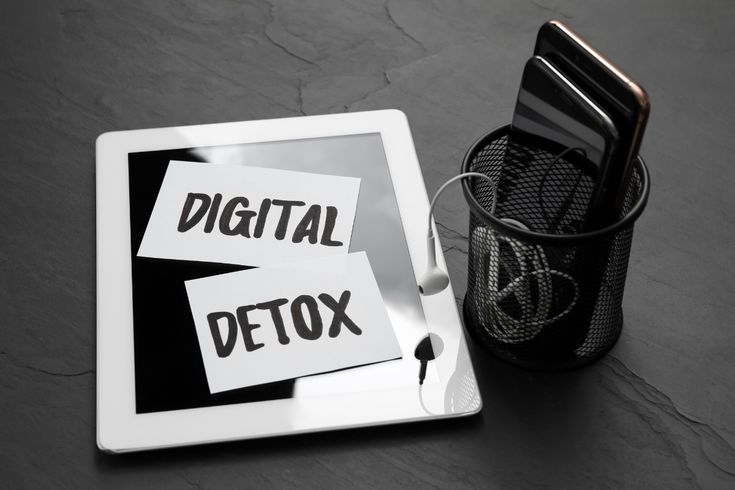
But as the first week blurred into the second, something incredible happened. The ambient background anxiety that usually hummed in my chest began to quiet down.
Instead of starting my day reacting to emails, headlines, and notifications before I’d even taken my first sip of coffee, I found space. The mornings suddenly felt longer, softer, and entirely mine.
My Simple No-Phone Morning Routine
I used to think a healthy morning routine required waking up at 5:00 AM, drinking green juice, and journaling for an hour. It doesn’t. My current routine is delightfully low-tech and takes less than an hour, but it has completely transformed my days.
1. The Gentle Wake-Up
I open my eyes, stretch, and look at the actual sunlight coming through the window instead of the blue light of a screen. I spend just two minutes breathing deeply and waking up my body naturally.
2. Hydration and Movement
I walk straight to the kitchen to pour a tall glass of water. While the kettle boils for my coffee, I do a few gentle stretches on the living room rug. No tracking apps, no fitness influencers—just moving because it feels good.
3. A Moment of Mindfulness
While I drink my coffee, I sit by the window. Sometimes I read a chapter of a physical fiction book; other times, I just look outside and let my thoughts drift. This simple practice of mindfulness acts as a buffer, allowing my brain to ease into the day with focus and clarity.

My Three Morning Non-Negotiables
| Core Morning Habit | Psychological & Wellness Benefit |
| 1. No screens for the first 45–60 minutes. | Allows the brain to wake up naturally without cortisol spikes or premature dopamine overload. |
| 2. Natural light exposure (look outside/step out). | Resets your circadian rhythm, naturally clears sleep inertia, and boosts morning mood. |
| 3. One analog activity (book, physical journal). | Reading, stretching, or just sitting quietly to build focus before the digital noise begins. |
The Biggest Changes I Noticed After a Few Weeks
The long-term shift toward intentional living surprised me. It wasn’t just that my mornings were calmer; the benefits spilled over into my entire afternoon and evening.
- Sustained Focus: I noticed a massive drop in my urge to multitask throughout the work day. Because I hadn’t trained my brain to crave instant gratification the second I woke up, my attention span lasted longer.
- Significant Stress Reduction: My nervous system felt remarkably grounded. I stopped feeling that frantic, rushed sensation that used to follow me out the door every morning.
- Better Mood Regulation: By choosing what entered my mind during those critical early minutes, I became less reactive and more patient with my loved ones and co-workers.
Tips for Building Your Own Phone-Free Morning
If you want to transition to better morning habits, you don’t have to overhaul your entire life overnight. Here are a few realistic strategies that helped me stick to the habit when willpower alone wasn’t enough.
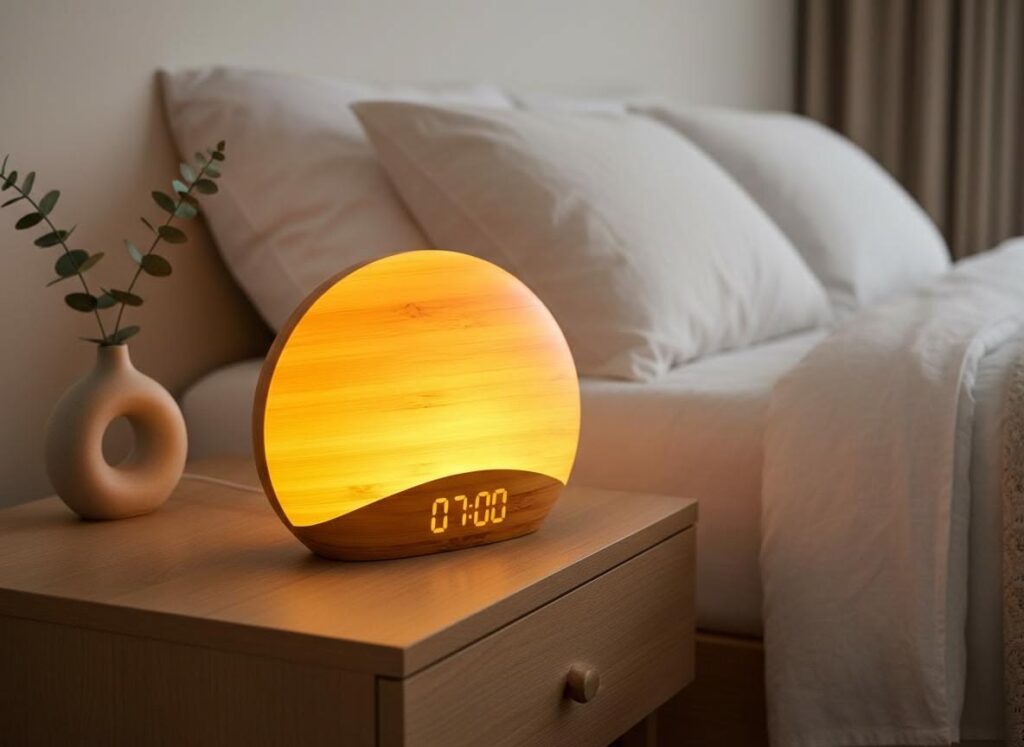
- Buy a traditional alarm clock: This was the ultimate game-changer. If your phone is your alarm, you will look at your notifications. Charge your phone in the kitchen or across the room.
- Start small: Don’t aim for a phone-free hour right away if that feels impossible. Start with 15 minutes of screen time boundaries, and slowly build your way up as you get used to the space.
- Prepare your analog alternatives: If you don’t have a plan for your phone-free time, you’ll default back to your screen. Leave a book, a journal, or a crossword puzzle on your coffee table the night before.
Common Challenges and How I Overcame Them
Let’s be real: changing how you interact with technology is tough, and I stumbled plenty of times along the way.
“But I need to check my calendar or work emails!”
I used to tell myself this all the time. The truth? 99% of emails can wait 45 minutes. If your job truly requires immediate availability, try setting your phone to “Do Not Disturb” and allow calls only from specific emergency contacts, keeping your apps hidden away.
“I get bored sitting there without a screen.”
Boredom is actually a sign your brain is resetting. We’ve become so accustomed to constant stimulation that silence feels foreign. Lean into it. Let your mind wander—that is often where your best ideas and deepest peace are hiding.
Progress Over Perfection
There are still days when I mess up. I’ll have a weak moment, grab my phone to check an early text, and suddenly realize I’ve spent twenty minutes scrolling through a video loop. When that happens, I don’t beat myself up, and you shouldn’t either.
The goal of a no-phone morning routine isn’t to achieve some pristine, Instagram-worthy level of wellness. It’s simply about giving yourself a fighting chance to start your day on your own terms. It’s about remembering who you are before the rest of the digital world tells you who to be.
Take a look at your current routine. What is one tiny, screen-free habit you could introduce tomorrow morning to reclaim your peace?