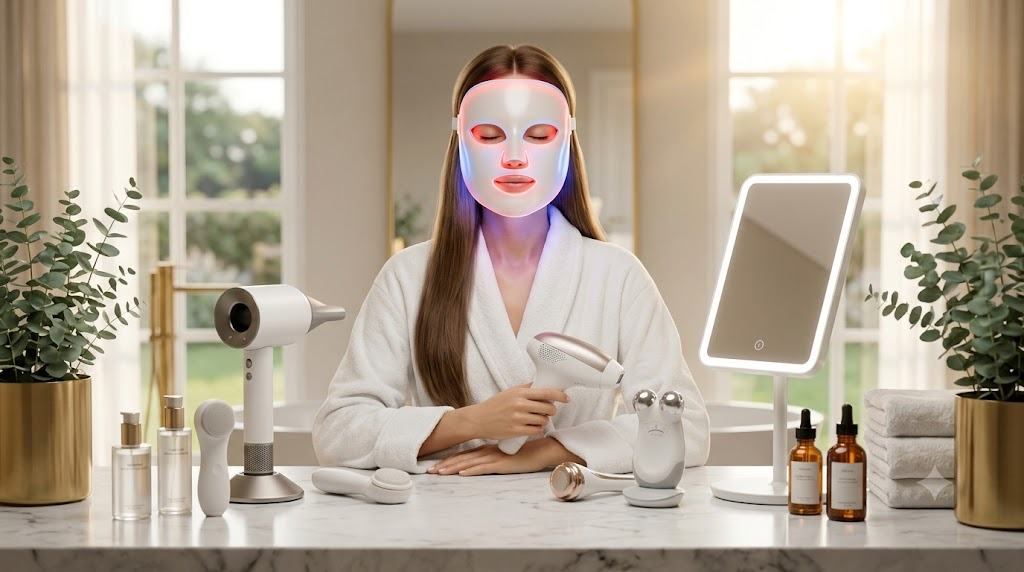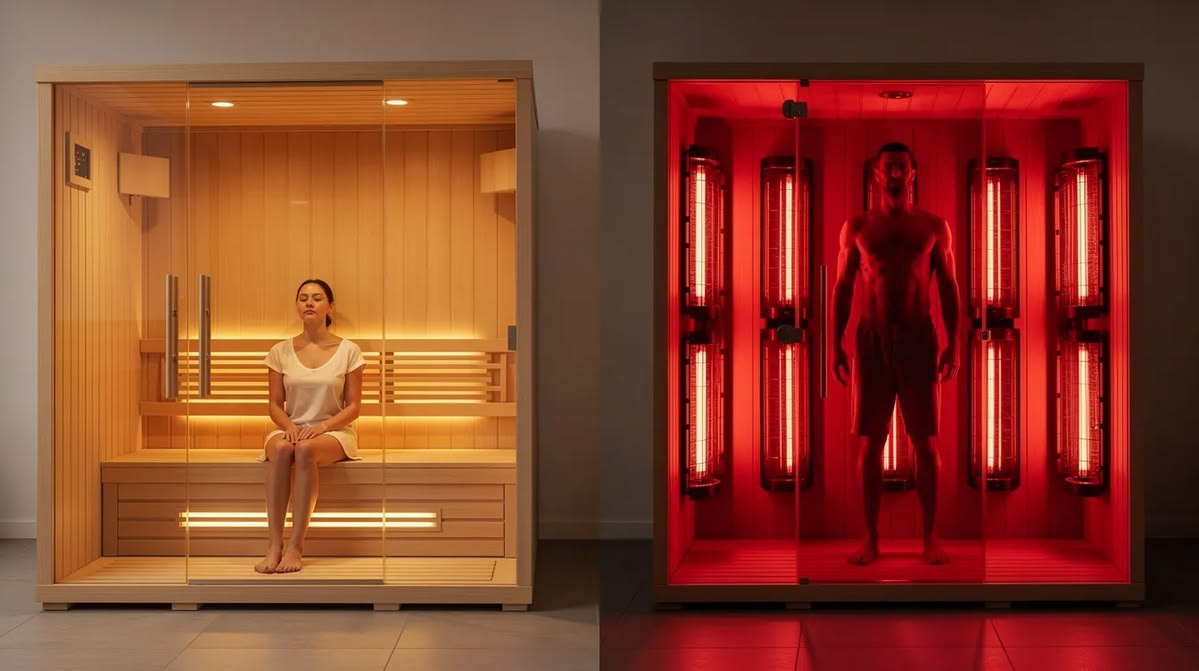
If you have spent any time scrolling through social media or browsing wellness blogs lately, you have likely run into the world of wellness technology. Specifically, you’ve probably seen people glowing under bright red panels or relaxing in futuristic wooden saunas.
When you start shopping for a device of your own, things get confusing fast. You will see labels like “Red Light,” “Near-Infrared,” or just “Infrared,” often used interchangeably. It is easy to assume they are all the same thing.
While these technologies belong to the same family, they operate at different wavelengths, penetrate the body differently, and excel at entirely different wellness goals. Let’s break down Red Light Therapy vs. Infrared Therapy so you can cut through the marketing hype and choose the right tool for your routine.
What Is Red Light Therapy?
Red light therapy uses visible light that falls within a specific, narrow range of wavelengths (typically between 600 and 700 nanometers). Because it is visible light, you can see it as a bright, vibrant red hue.
Think of red light as a targeted specialist for the surface layers of your body. Because its wavelengths are shorter, the light primarily interacts with the upper layers of your skin.
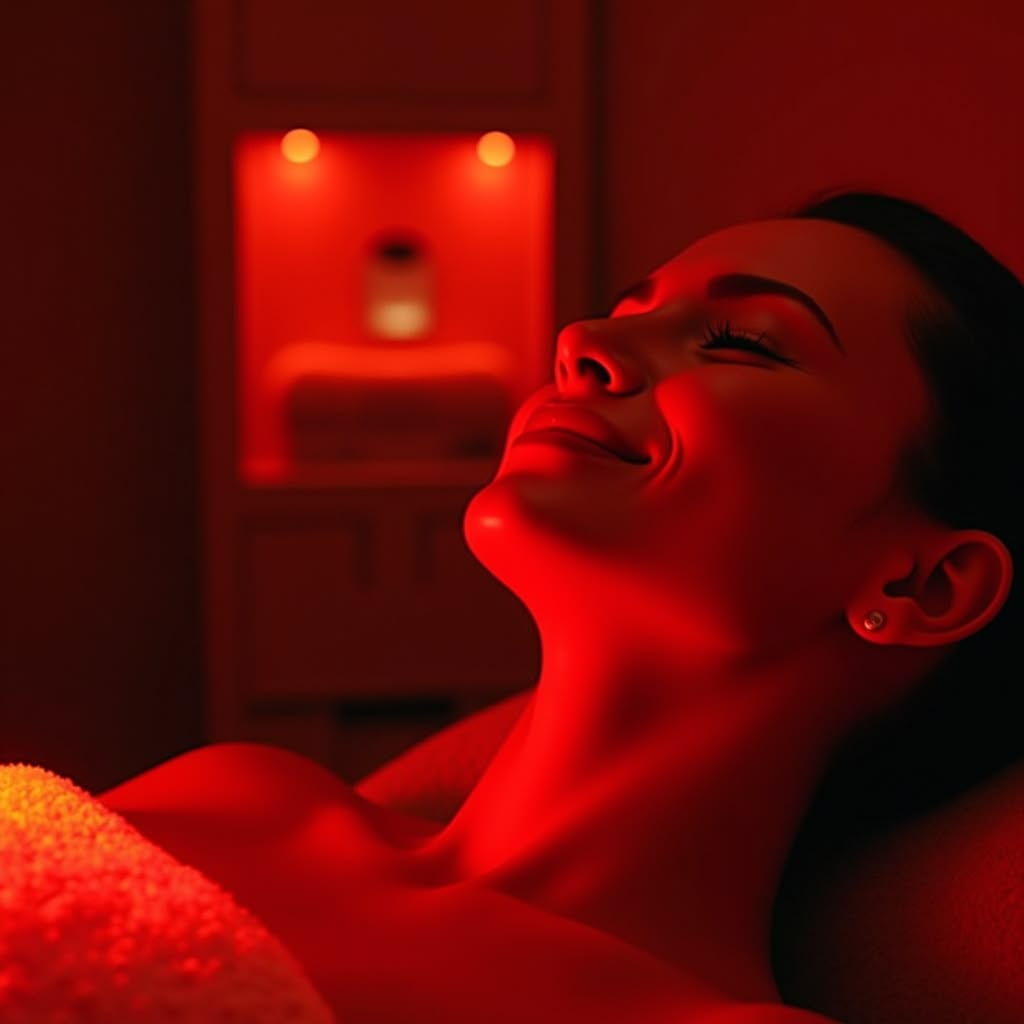
Instead of generating heat, red light works by gently interacting with your cells. In the wellness world, it is highly celebrated for its impressive skin health and collagen support benefits. People frequently use it to:
- Improve the overall appearance of their skin.
- Support natural collagen production.
- Reduce the appearance of fine lines and wrinkles.
- Promote a vibrant, healthy-looking complexion.
What Is Infrared Therapy?
Infrared therapy picks up right where red light leaves off. It uses longer wavelengths that sit just beyond the visible light spectrum. This includes near infrared light (NIR) and far infrared light (FIR), both of which are completely invisible to the human eye.
Because these wavelengths are longer, they possess a unique ability to pass right through the surface of the skin to reach deeper tissues, such as muscles, nerves, and joints.
If red light is a surface specialist, infrared is the deep-tissue expert. It is a favorite in the fitness world for recovery therapy. However, it is important to know that different types of infrared feel different during use:
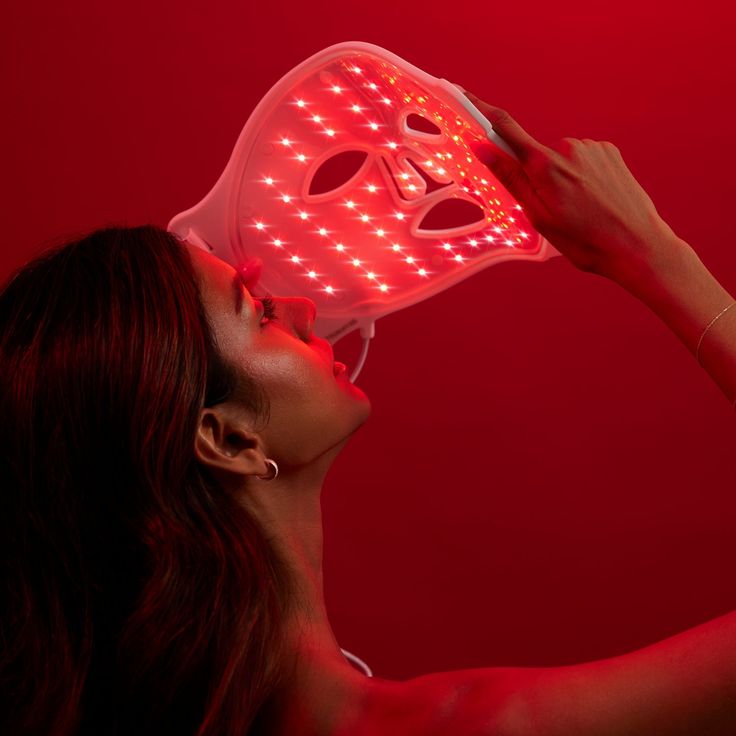
- Near-Infrared Light: This is what you usually find in targeted LED panels and face masks. It is invisible and generates virtually no heat, working quietly at a cellular level.
- Far-Infrared Light: This is the technology powering infrared saunas and heating blankets. It generates a deep, soothing thermal warmth that penetrates your muscles to induce a heavy sweat.
Common wellness applications for infrared include:
- Supporting overall muscle recovery after a tough workout.
- Enhancing post-exercise relaxation and reducing stiffness.
- Providing temporary relief from minor muscle and joint discomfort.
- Promoting a sense of deep, restful calm and stress relief.
Red Light vs. Infrared Therapy: The Key Differences
To help you visualize how these two stack up, here is a quick breakdown of red light vs infrared technology:
| Feature | Red Light Therapy | Infrared Therapy |
| Visibility | Bright, visible red light | Completely invisible to the eye |
| Penetration Depth | Shallow (skin surface layers) | Deep (muscles, joints, and tissues) |
| Primary Focus | Skin health and complexion | Muscle recovery and relaxation |
| What it Feels Like | Ambient light, no heat | Ambient (Near-Infrared) or gentle warmth (Far-Infrared) |
| Best For | Fine lines, collagen, and glow | Sore muscles, joint stiffness, and tension |
| Typical User | Skincare enthusiasts | Athletes and fitness lovers |
Visibility and Depth
The most obvious difference is visibility. You can see red light, but you cannot see infrared light. If you turn on an infrared device, it might look like it isn’t even working, but those invisible wavelengths are actually traveling deep past your skin barrier to support your muscles and joints.
How Each Feels
Red light devices do not emit heat; they simply surround you with a bright glow. Infrared devices vary. A near-infrared panel won’t feel hot, but a far-infrared heating pad or sauna will deliver a cozy, radiating warmth that relaxes your entire body.
Which One Should You Choose?
Choosing between these two forms of light therapy benefits depends entirely on what you want to achieve.
Choose Red Light Therapy if…
Your primary goals revolve around your face and skin. If you are looking to build a stellar anti-aging routine, want to soften the look of fine lines, or simply want to support your skin’s natural radiance, red light is your best match.
Choose Infrared Therapy if…
You exercise regularly, manage daily physical stress, or experience temporary joint stiffness. If you want to bounce back faster from intense workouts or simply want a deeply relaxing way to unwind tight muscles at the end of the day, infrared is the way to go.

Consider a Device That Combines Both if…
You want the best of both worlds. Because these technologies complement each other so beautifully, many modern wellness technology devices feature both red and near-infrared LEDs working at the same time. A combination device allows you to care for your skin surface while simultaneously delivering deep tissue support to the muscles underneath.
Common Misconceptions
As light therapy has exploded in popularity, so have a few persistent myths. Let’s clear up some of the confusion.
- Myth 1: They are exactly the same thing. As we’ve learned, they target completely different depths of the body. Confusing them might lead you to buy a device that doesn’t match your actual goals.
- Myth 2: Stronger always means better. More intense light isn’t necessarily more effective. Light therapy relies on a sweet spot of energy delivery; pushing it too high can actually diminish the benefits.
- Myth 3: More time equals better results. Sitting in front of a light for an hour won’t give you double the benefits of a 10-minute session. In fact, overusing a device can overstimulate your cells and stall your progress.
- Myth 4: Results happen overnight. Light therapy is not a quick fix. It works gradually by supporting your body’s natural processes over time.
Tips for Safe and Effective Use
To get the most out of your light therapy routine, keep these practical tips in mind:
- Read the manual: Every device is engineered differently. Always follow the manufacturer’s guidelines regarding distance, timing, and frequency.
- Consistency is key: You will see much better results from using a device for 10 minutes a day, four times a week, than using it for an hour once a month.
- Protect your eyes: Visible red light is very bright. If your device instructions recommend wearing blackout goggles or specific eye protection, make sure to use them.
- Be patient: Give your routine at least 4 to 8 weeks of consistent use before evaluating your results.
- Talk to a professional: If you have an underlying skin condition, chronic pain, or are pregnant, it is always a wise idea to consult your healthcare provider before introducing a new wellness device.

Final Thoughts
When looking at Red Light Therapy vs. Infrared Therapy, neither option is universally “better” than the other. They are simply different tools designed for different jobs.
If your heart is set on achieving a healthy, glowing complexion, red light therapy is a fantastic addition to your vanity. If you are focused on soothing tired muscles and boosting your physical recovery, infrared therapy will be your best friend. Take a look at your personal wellness goals, stick to a consistent routine, and enjoy the process of taking care of your body.
What about you? Are you leaning towards a skincare-focused red light device, or do you need the deep muscle relief of infrared? Let me know in the comments below!